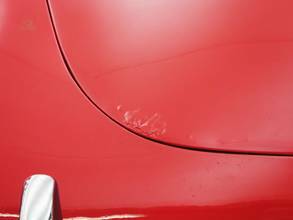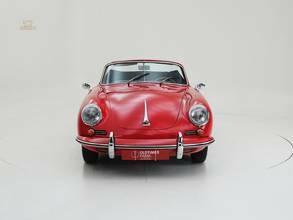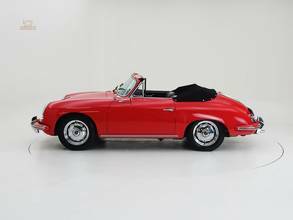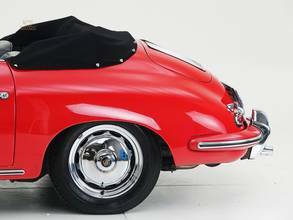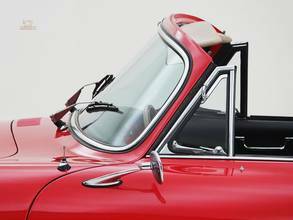
-
カテゴリ
-
ブランド
カテゴリ
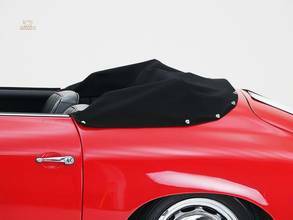
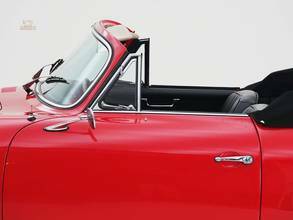
| ボディタイプ | カブリオレ |
| 走行距離 | 34.080 km |
| ギアボックス | マニュアル |
| 排気量 | 1582 cm³ |
| 初回登録 | 1963 |
The Porsche 356 was the first Porsche produced in large quantities. It was built from 1948 to 1965 and thus set the stage for the equally legendary Porsche 911. Throughout its seventeen years of production, it succeeded in fully convincing the public of the Porsche brand, a sentiment that still holds true today.
Whether the 356 is the first Porsche or not has been a contentious issue. Some argue that the Porsche 64 was the first, while others stick to the 356. What is certain is that the 356 was the first commercially produced Porsche in larger quantities and was truly intended for a relatively larger audience. It is also certain that the 356 was a hit—the elegant coupe or cabriolet appealed to many, translating into impressive sales figures.
The Porsche 356, initially a distant relative of the Volkswagen Beetle, came in two body styles: the coupe and the cabriolet. In addition to the body styles, various models were introduced successively, reflecting the meticulous perfectionism of Porsche engineers. The 356 underwent almost yearly adjustments and changes to provide customers with an even better overall experience. In 1948, the earliest model hit the market—the 356, the regular model, the original. It featured a 1.1-liter four-cylinder boxer engine that wasn't particularly powerful, but the design and driving experience garnered much positive attention.
After a period of refinement, Porsche decided to continue building on the 356. In 1951, two more powerful four-cylinder boxer engines, and variants of those engines, were introduced with displacements of 1.3 liters and 1.5 liters. This created a more commercial package, attracting customers who desired a bit more power.
In 1955, the original model was replaced by the Porsche 356 A. The new model brought minor changes, as is customary with Porsche. A 1.6-liter boxer engine joined the lineup, and with the arrival of the Porsche 356 B in 1959, it would replace all other engines. With this new model, aesthetic and mechanical changes were once again implemented—Porsche leaves no detail overlooked; a two-liter boxer engine also entered the market, available for the Carrera model. In 1964, the final 356 arrived, the 356, enjoying two very successful production years. The 356 C was now equipped, among other things, with disc brakes on all wheels, hence different wheels.
The 356 played a pioneering role in the design of the 911. As a distant derivative of the Volkswagen Beetle, it allowed Porsche to establish its name and reputation worldwide, and alongside its ingenious design, this is why enthusiasts are so passionate about it.
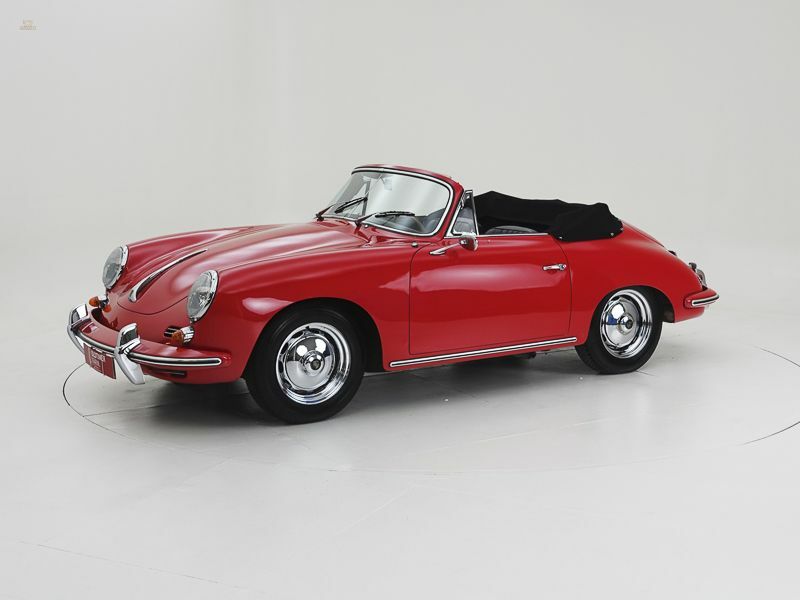
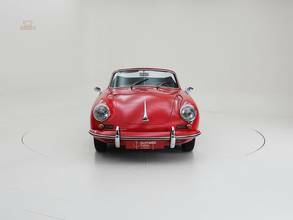
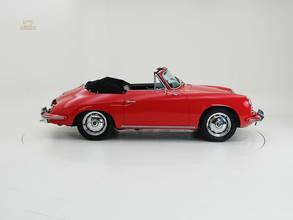
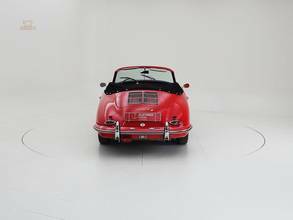
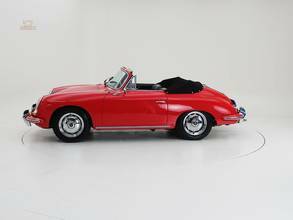
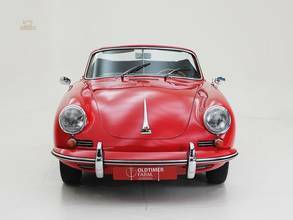
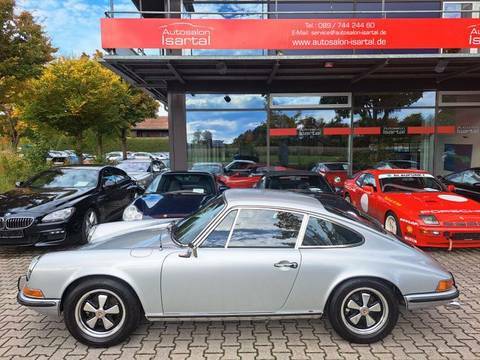
Porsche 356 BT6
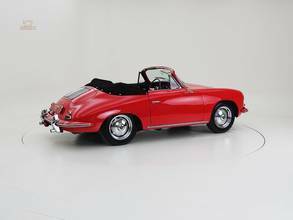
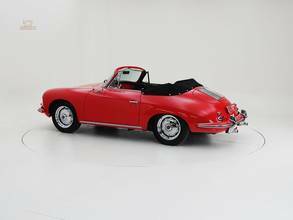
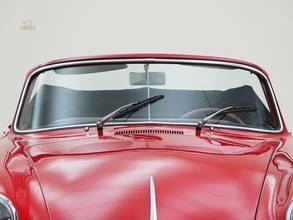
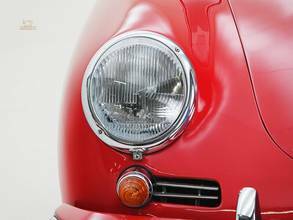
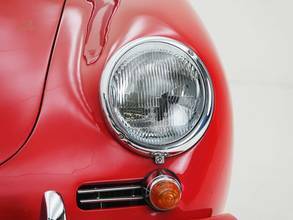
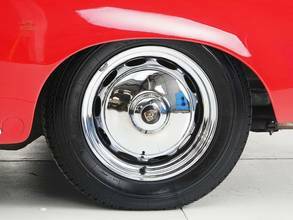
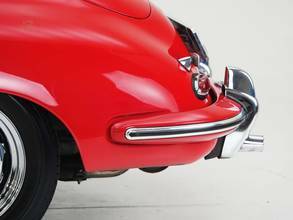
The Porsche 356 BT6 is a variant of the B series of the 356. It came to the market in 1962, bringing visual changes, as is Porsche's good habit of always aiming for something different and, therefore, better. The grille on the rear engine hood doubled in size, with two grilles instead of one, and the fuel cap was now on the front right.
The BT6 is a highly sought-after version of the Porsche 356. The B series was not without reason the best-selling version of the 356. A fantastic car.
Technical information:
Body work
Mechanics
Please do not hesitate to contact us via email to receive the detailed expertise report
124.991,00 €
124.900,00 €
124.850,00 €
124.777,00 €
125.500,00 €
125.700,00 €
125.990,00 €
126.700,00 €
126.900,00 €
122.890,00 €
122.888,00 €
122.747,00 €
127.990,00 €
122.000,00 €
128.190,00 €
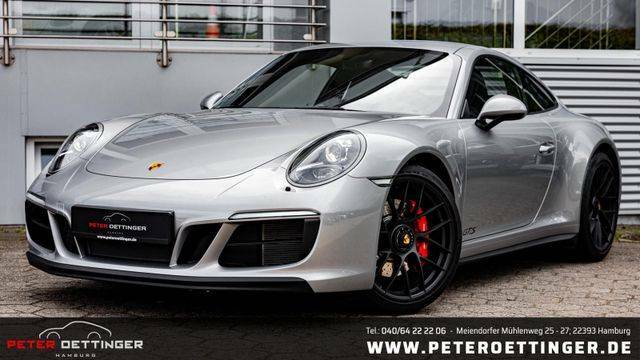
128.900,00 €
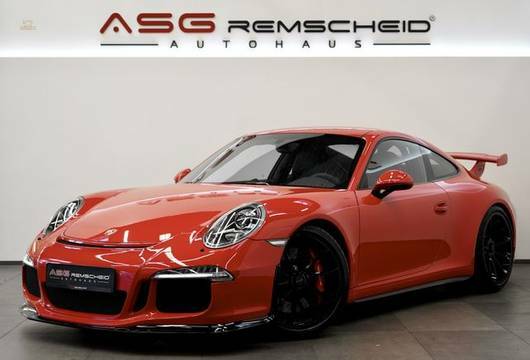
128.900,00 €
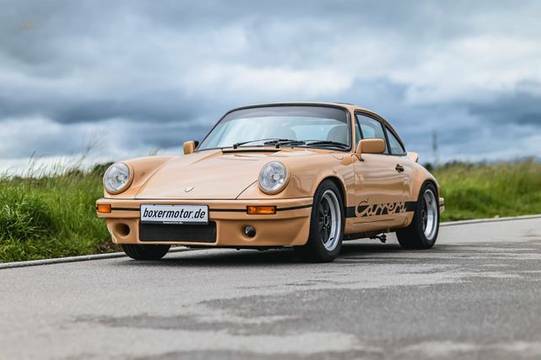
129.000,00 €
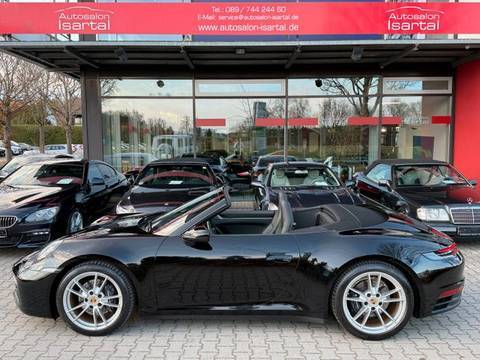
129.500,00 €
129.500,00 €
18.950,00 €
89.950,00 €
20.950,00 €
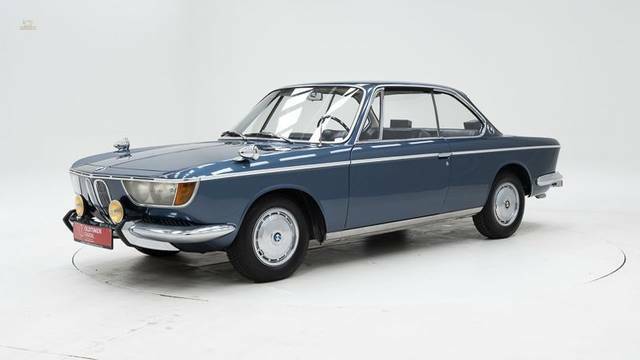
25.950,00 €
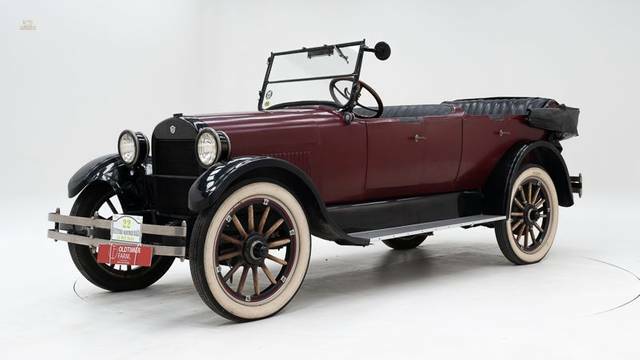
12.500,00 €
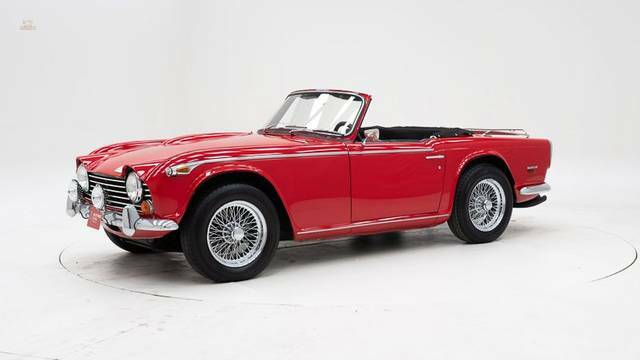
34.950,00 €
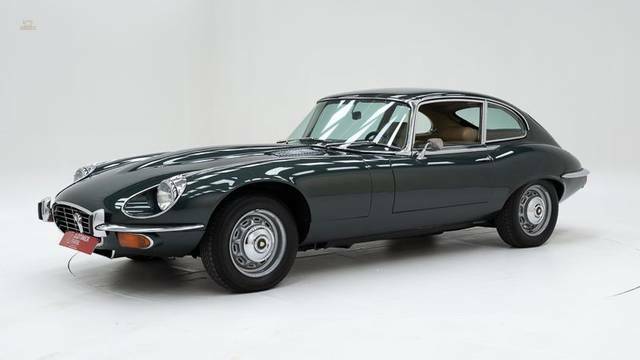
46.950,00 €
39.950,00 €
65.000,00 €
99.950,00 €
345.000,00 €
65.950,00 €
99.950,00 €
65.950,00 €
18.950,00 €
299.950,00 €
445.000,00 €
52.950,00 €
35.950,00 €
99.950,00 €
8.500,00 €
12.950,00 €