| Marke | – |
| Modell | Classic |
| Tipo de barco | Otro |
| Categoría | Yate a motor |
| Motores | 1 |
| Potencia | 200 PS |
| Combustible | Diesel |
| Año de construcción | 1938 |
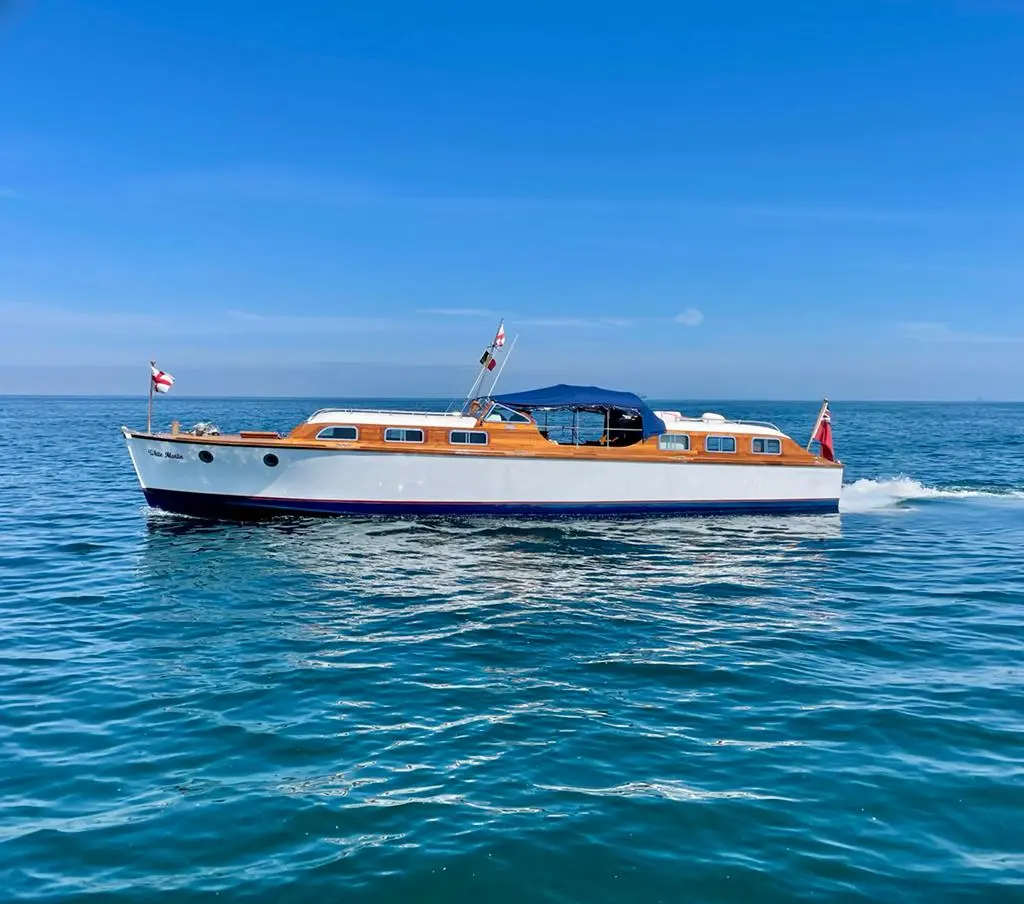
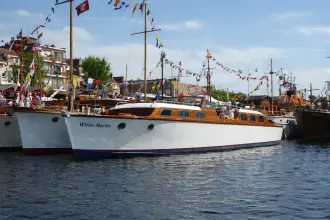
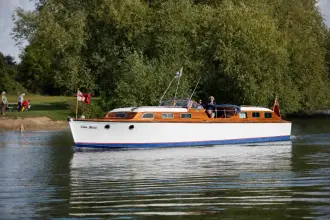
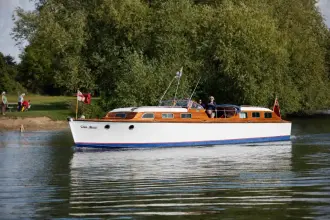
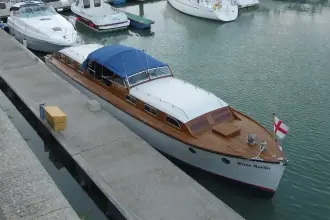
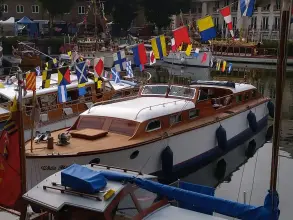
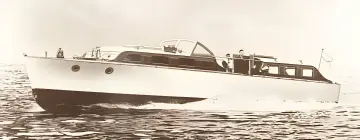
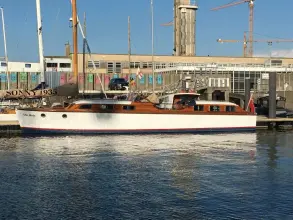
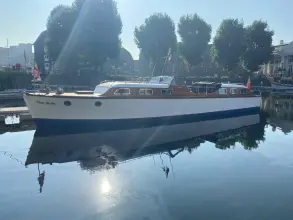
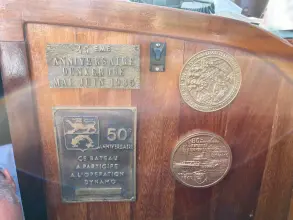
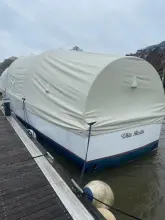
At Henley Sales and Charter we are privileged to present a vessel of extraordinary provenance and presence, White Marlin, later HMS Fervent, is not simply a Dunkirk Little Ship, she represents a defining chapter in the story of British motor boating.
Ordered by an Armenian sugar broker and completed by Thornycroft at Hampton on Thames on the eve of war, she never reached her original owner. Instead, she was requisitioned by the Ministry of War Transport and commissioned into the Royal Navy as HMS Fervent, serving as the communications boat for the Officer Commanding convoys at Dover.
During the Dunkirk evacuation she became the launch of the Senior Naval Officer under Lieut. Cdr. W.R.T. Clemments and was among the last naval vessels to leave the harbour. Among her crew was Douglas Kirkaldie, coxswain of the Ramsgate lifeboat Prudential, mentioned in despatches. Few vessels can speak so quietly yet so powerfully of courage and duty.
She later travelled north to Archangel supporting the Russian convoys, was damaged in service, repaired and eventually returned home. Rescued from neglect at Strood by Col. F.A. Sudbury of Tate and Lyle, she was restored by Thornycroft and went on to serve as the company’s communications launch, carrying guests from Tower Pier to the Albert Dock refineries.
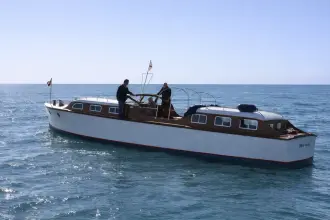
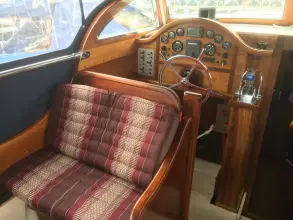
Today she has been sympathetically restored to her original open centre cockpit configuration and remains a rare and compelling example of early motor yacht design.
The beauty of a Dunkirk Little Ship lies in its individuality, no two are the same. They range from humble lifeboats to gentleman’s cruisers and working barges. Yet White Marlin stands apart. She represents the very future of boating at the moment it began to take shape. In 2026 we mark 200 years of recognised power boating, the gradual transition from sail to mechanical propulsion, and it was boats like White Marlin that refined and defined what we now see across marinas worldwide. She is not a production boat, she is a one off. And one offs are the prototypes that shape history.
Built by Thornycroft, one of the great shipyards of her era, she embodies a period when craftsmanship, engineering and aesthetics combined to push boundaries. She was modern for her time, forward thinking, beautifully proportioned, and she still evokes that same sense of purpose and confidence with not only traditionality but a fashionable retroness.
Vintage craft are not old in today’s world, instead they inspire, none more so than a Dunkirk Little Ship. I know of at least one Dunkirk Little Ship purchased and restored because, by chance, its owner had been invited aboard White Marlin as a young man in the early 1990s. That first experience never left him. Twenty five years later he rescued the lifeboat Lady of Mann from dereliction and now owns his own and very different Little Ship. These are the connections that vintage vessels create, they stir something lasting.
White Marlin is a rare opportunity. She is presented in good order with a survey report available. There is scope for light personalisation should a new custodian wish to make their mark and yet she remains fundamentally sound, authentic and rich in character.
She offers not only history and charm, but also performance, a reassuring turn of speed when required and the unmistakable presence of a vessel built at the dawn of serious motor yachting.
Opportunities to acquire a Dunkirk Little Ship of this calibre, condition and performance are exceptionally scarce.
125.000,00 €
127.000,00 €
129.000,00 €
129.000,00 €
129.000,00 €
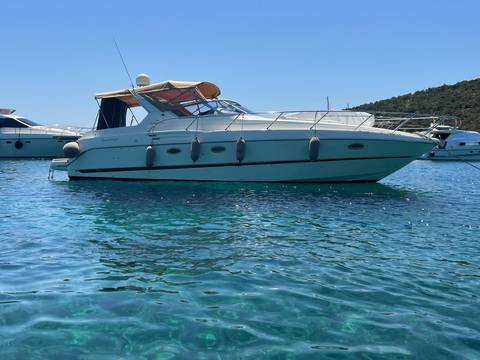
129.000,00 €
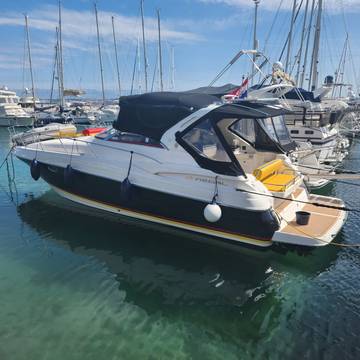
129.900,00 €
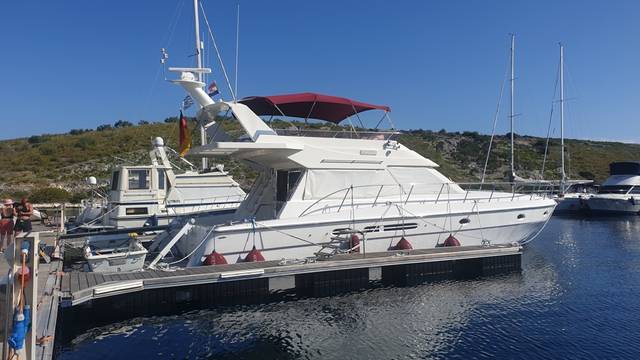
119.000,00 €
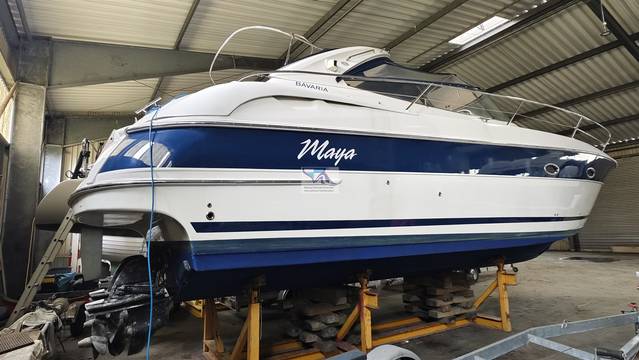
119.000,00 €
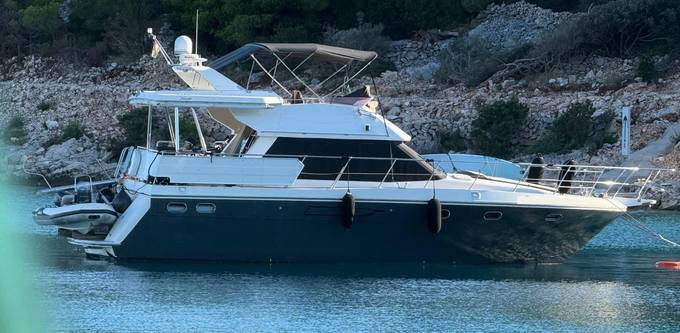
135.000,00 €
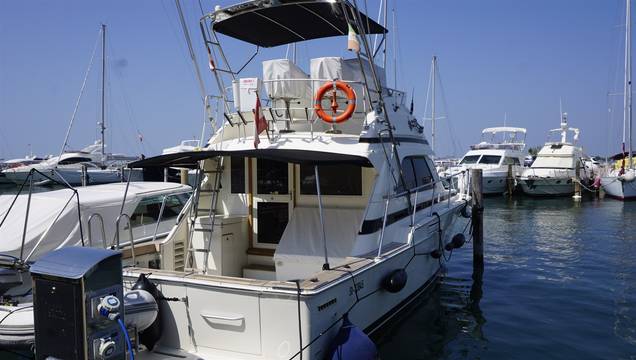
135.000,00 €
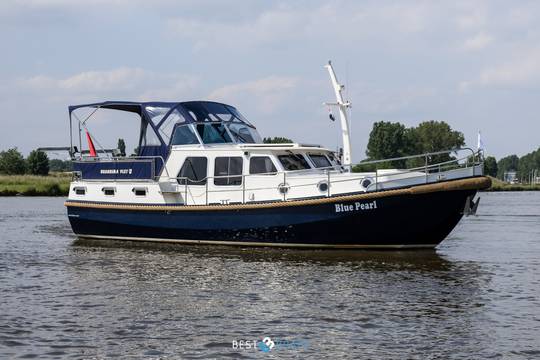
137.000,00 €
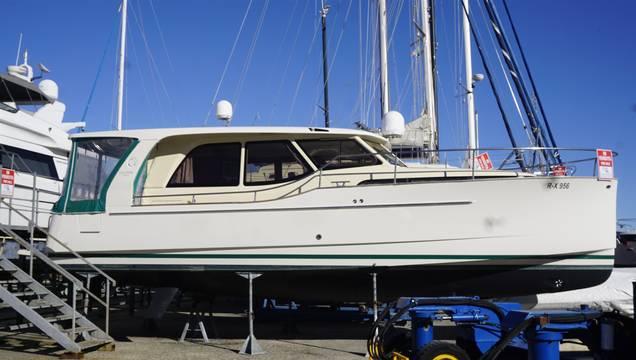
139.000,00 €
139.000,00 €
139.000,00 €
139.000,00 €
139.000,00 €
139.000,00 €
110.000,00 €
109.000,00 €
 Nuevo
Nuevo
1.735.357,05 €
 Nuevo
Nuevo
819.956,62 €
 Nuevo
Nuevo
117.136,66 €
 Nuevo
Nuevo
863.340,56 €
 Nuevo
Nuevo
2.425.162,69 €
 Nuevo
Nuevo
1.170.498,92 €
 Nuevo
Nuevo
1.908.893,71 €
 Nuevo
Nuevo
172.668,11 €
 Nuevo
Nuevo
911.062,91 €
 Nuevo
Nuevo
412.147,51 €
 Nuevo
Nuevo
163.991,32 €
 Nuevo
Nuevo
476.355,75 €
 Nuevo
Nuevo
229.934,92 €
 Nuevo
Nuevo
790.000,00 €
 Nuevo
Nuevo
285.000,00 €
 Nuevo
Nuevo
485.000,00 €
 Nuevo
Nuevo
529.000,00 €
 Nuevo
Nuevo
510.000,00 €
 Nuevo
Nuevo
235.000,00 €
 Nuevo
Nuevo
450.000,00 €