Historical:
Which classic car enthusiast does not know the legendary Ford Model T? The
most produced car in the world, long before it was surpassed by the VW Beetle. A total of approximately 15 million units were built. An incredible number. Of these, about 1% are still in existence. Due to this enormous quantity, the supply of spare parts is excellent considering the age. Even in Germany, there are suppliers who have many parts in stock.
Initially, the Model T was only available as a closed vehicle in the form of a Coupe
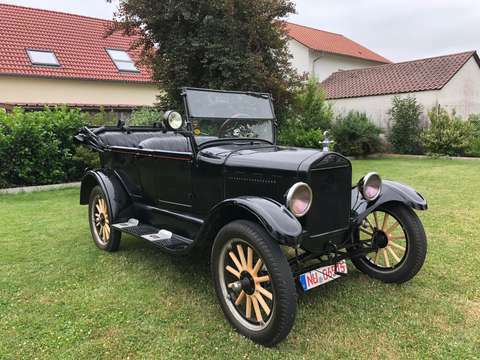
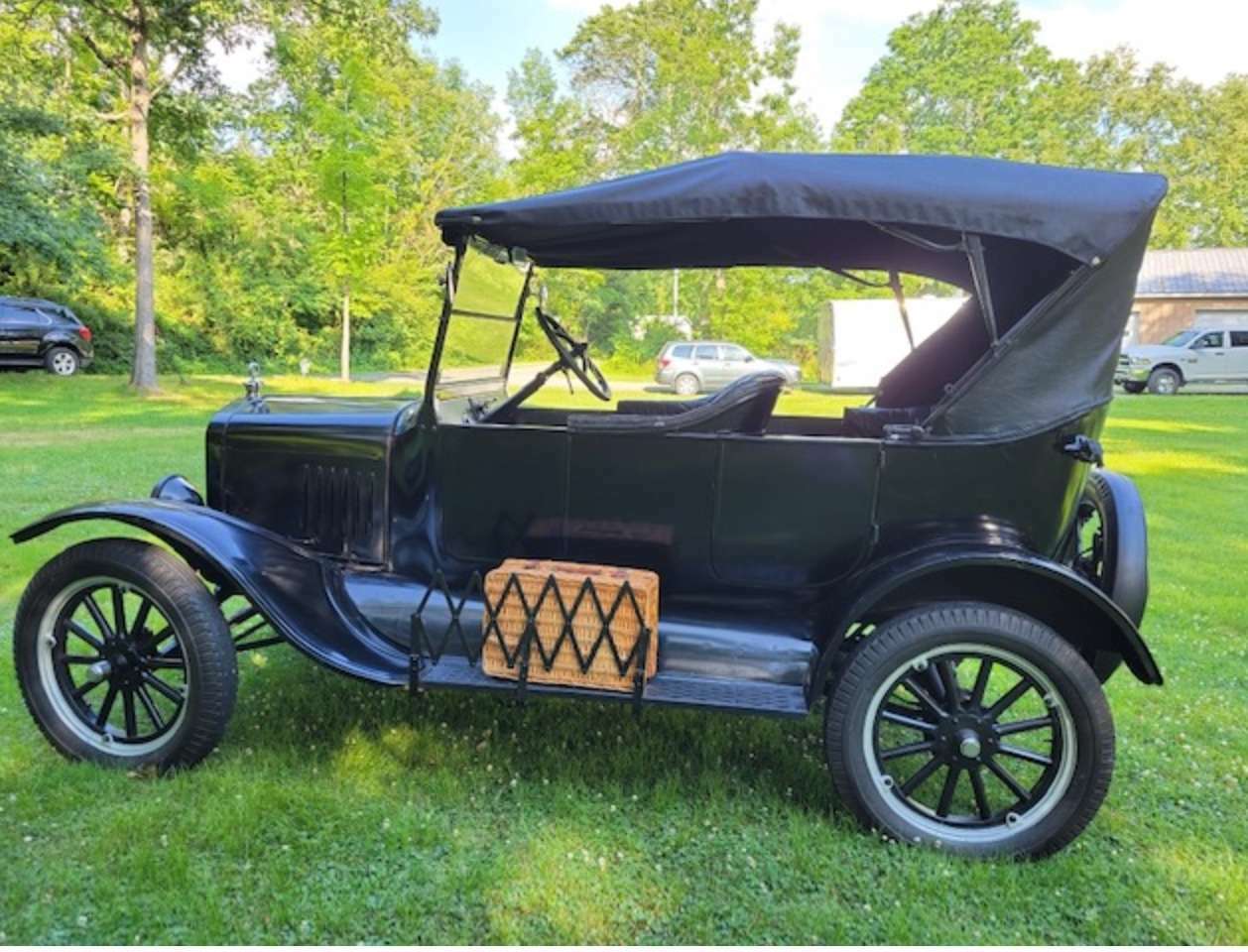
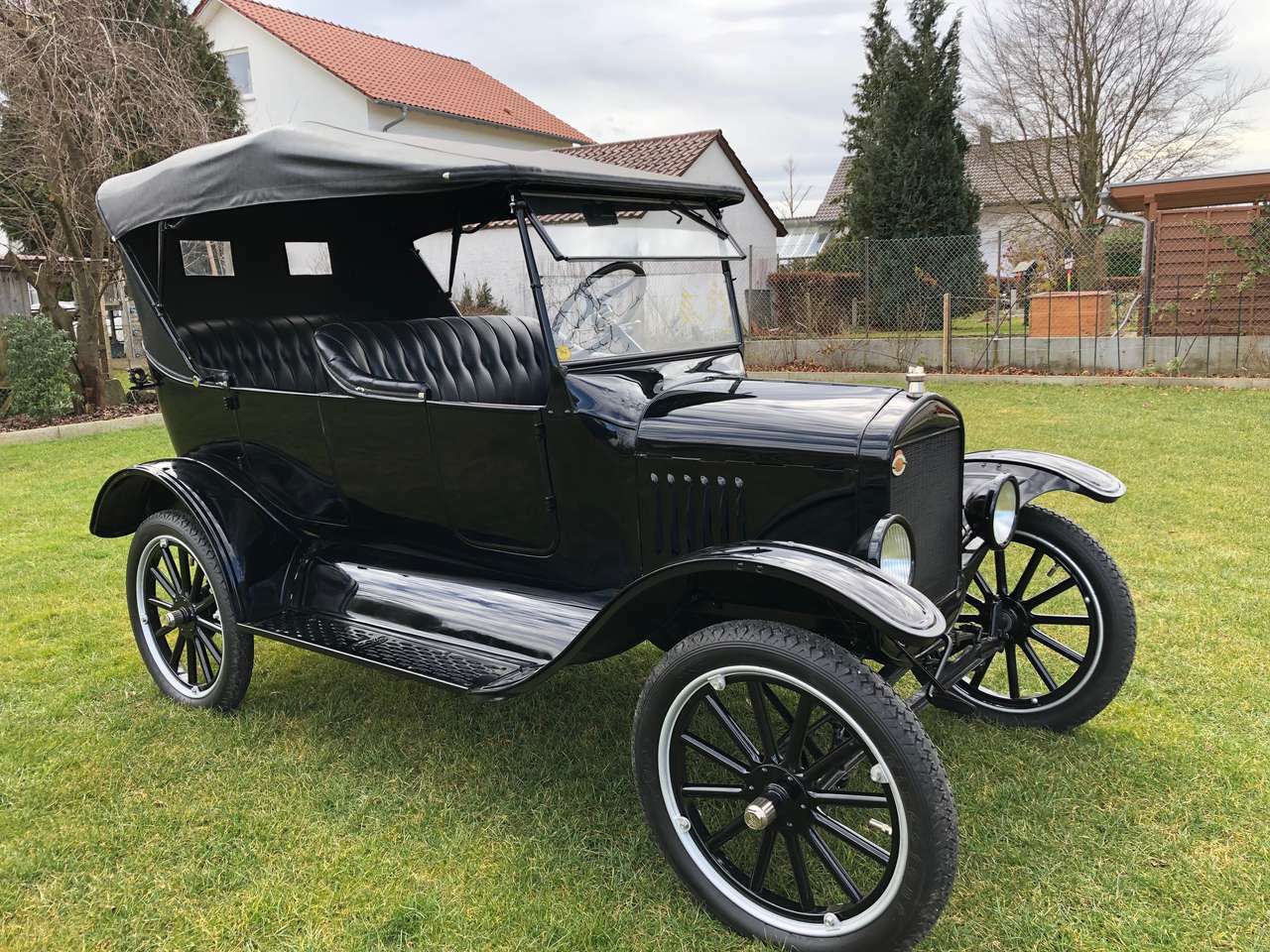
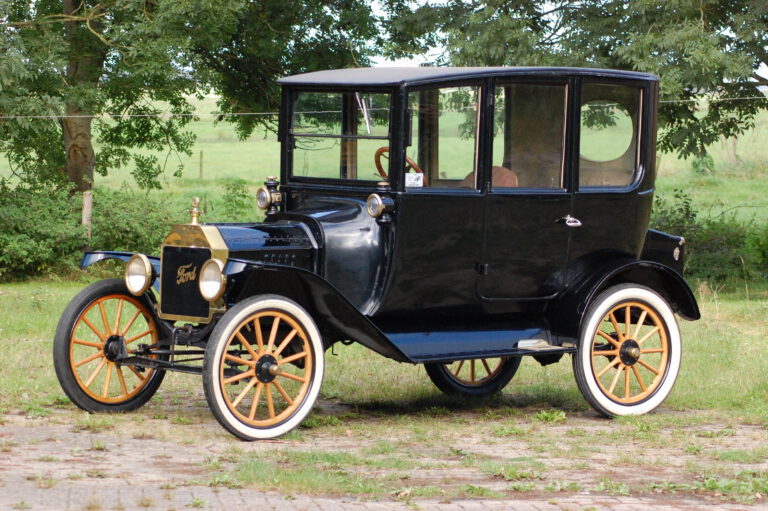
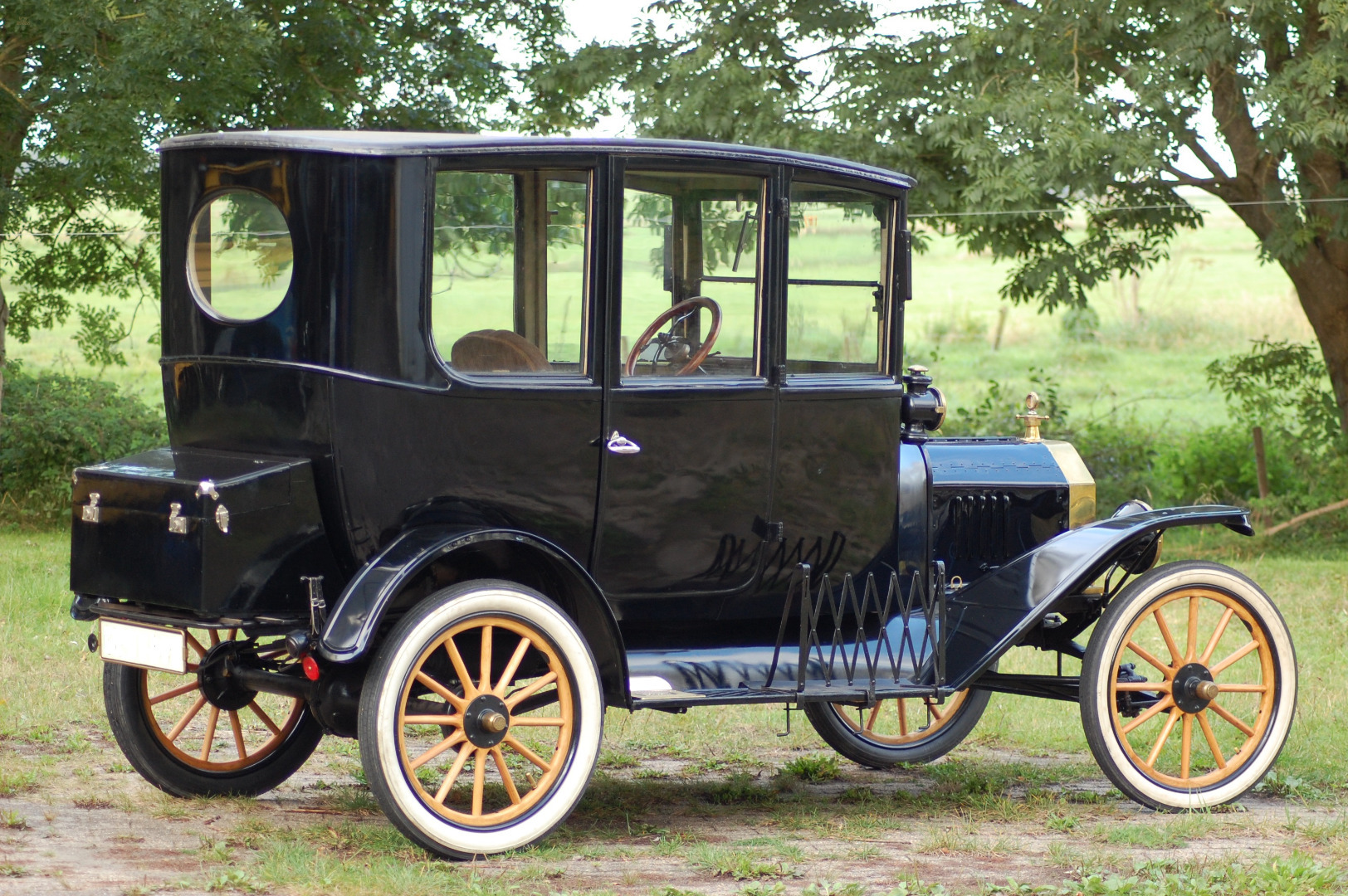
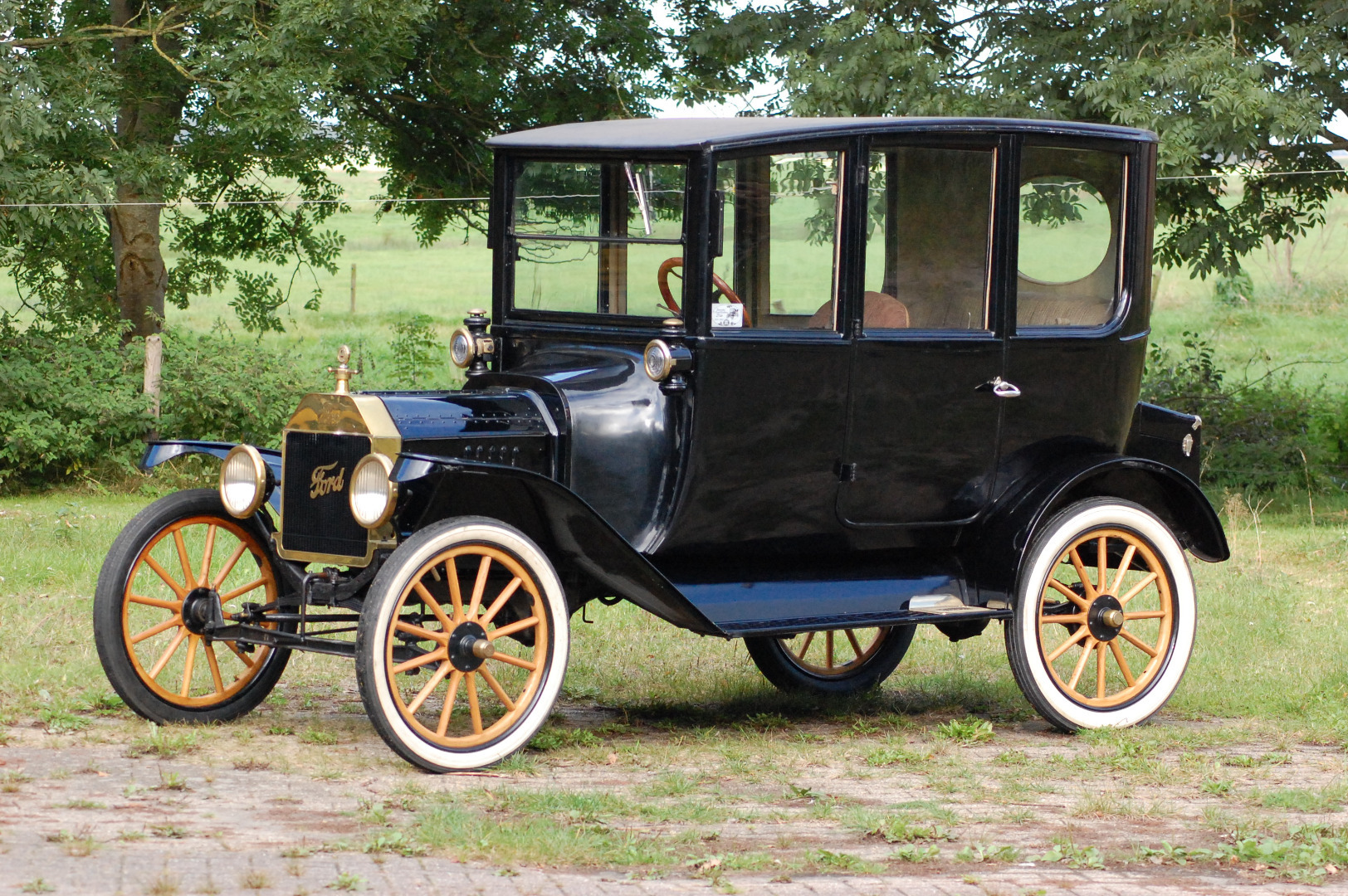
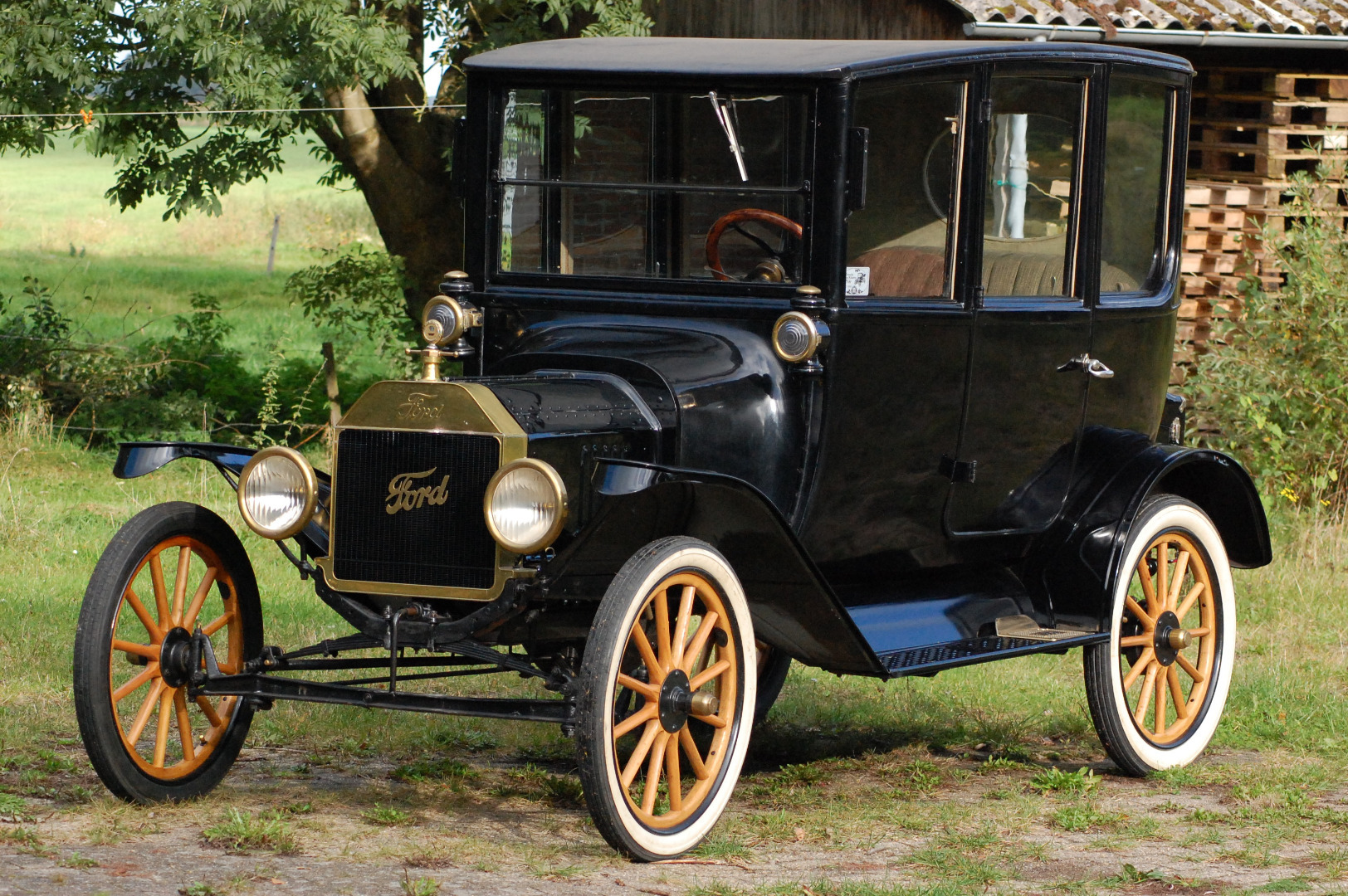
and Town Car, so not a true four-seater where all passengers are inside. The first model was the Center Door from 1915. Built until 1923 in total. Only the first two years of production are still associated with the brass era, like this 1916 model offered here. Only 1,859 units were built in 1916, and together with the 1915 model, about 2,800 units. Thus, the brass Center Door is a real rarity and hardly available on the market.
The equipment for the early years of the Model T was quite Spartan. No electric starter, water pump, brake light, electric taillight, high beam, or similar accessories were apparently needed at the time. All of this was added in later years. However, the basic construction remained almost the same until the end; the body styles changed and from 1926, they received a kind of "facelift" to look somewhat more modern. In the meantime, the fenders were slightly adapted to other vehicles, and a four-door model was introduced to the market.
Condition:
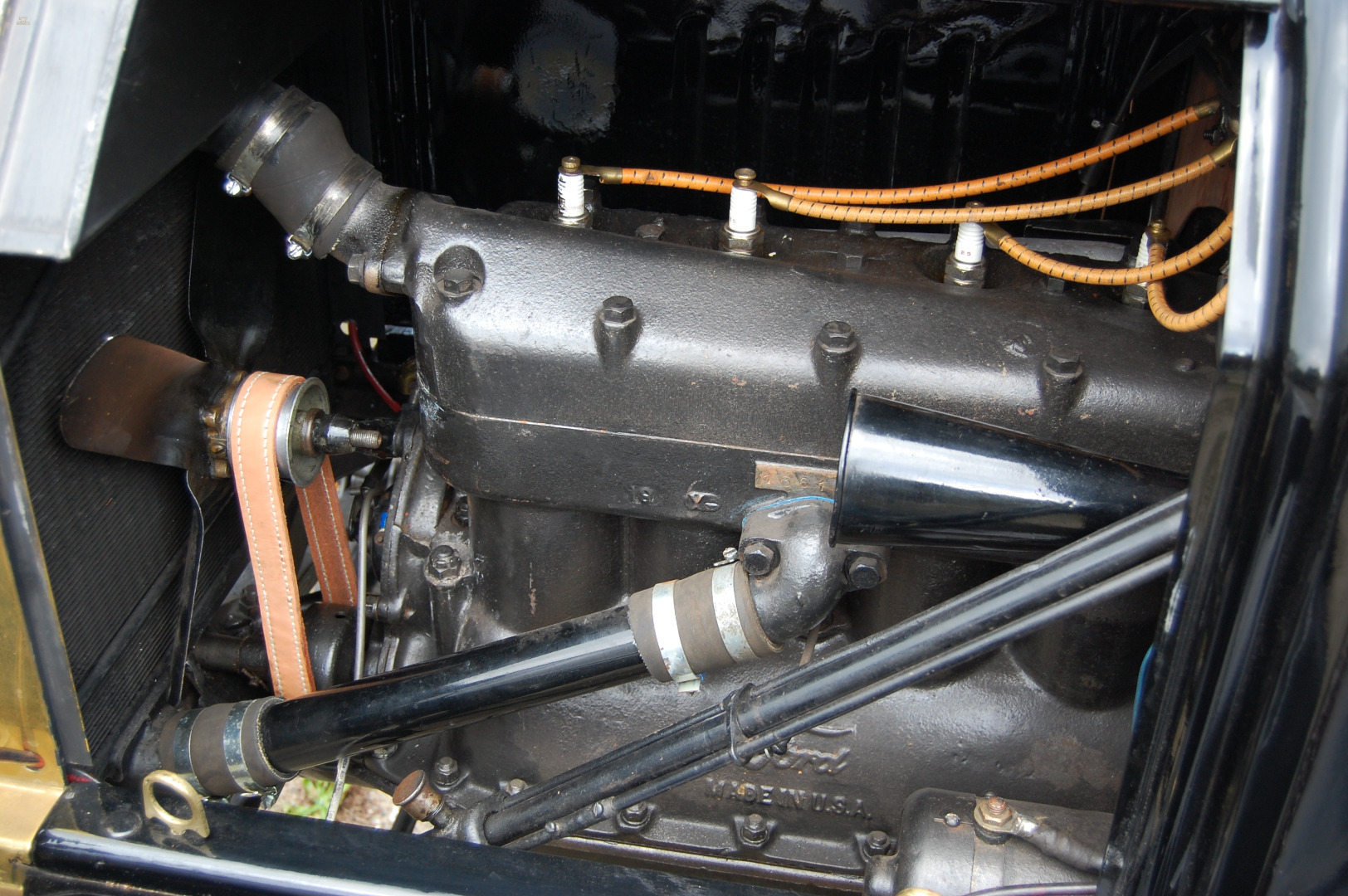
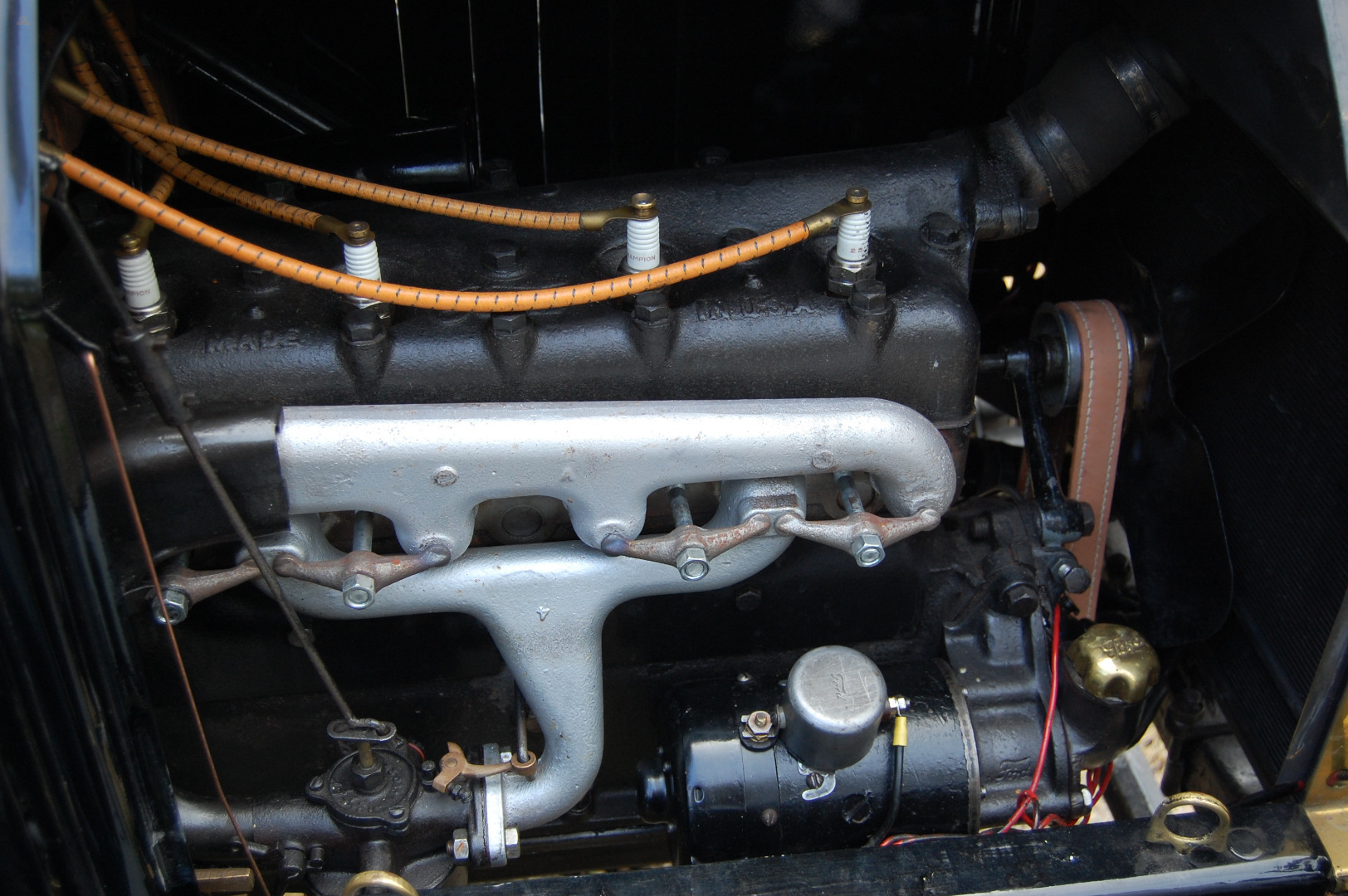
Exact information regarding the scope of work already completed on the vehicle is available to me.not yet. So I only have to make an inventory. The engine should be completely rebuilt, but unfortunately there is no further information available here. However, when I received the car, the engine had not run since the overhaul. It is true that the engine was spotless clean under the cylinder head and a few cables needed for starting were not yet connected. So I got the car running and was able to take a first ride; the initial impression is good. The car handles well on the road and does not rattle, as some Model Ts tend to do.
The brake bands in the transmission have apparently also been overhauled and look like new. To catch the resulting wear from the transmission, a catch screen with a magnet was installed in the transmission. The transmission works as it should.
2.9 liters of displacement and 20 HP are not much, but they are enough for leisurely driving on country roads.
Originally, the vehicle was delivered without a starter. However, the engine (which has already been replaced once but is also a 1916 model, just a few months later than the original) was equipped with a starter and a generator. This can be done with manageable effort. However, the generator needs to be checked; it does not charge and makes an unpleasant noise, although I could not find anything wrong with the bearings.
From the factory, the car only had electric lighting at the front; no electric lighting was provided at the rear. There used to be a petroleum lantern hanging there. The power for the front lamps came from the generator that all Model Ts had from the factory. Thus, it wasno battery
required if the car also started well on magnet.
Otherwise, only a small battery was needed for starting to supply power to the
summer ignition. There is also a horn, but it also needs repair.
The previous owner of this vehicle had started to modernize the lighting. Brake light, high beam,
rear lights. However, he did not finish this due to illness. An original light switch on the steering column is available, but it is only intended for low beam and high beam. That means you
would need a different switch to also control the rear light
and different rear lights at the back, which can accommodate both the rear and brake lights. I haven't made any further modifications to this; the new
owner should decide how to equip the car and which
electrical path to take, original or with fuses.
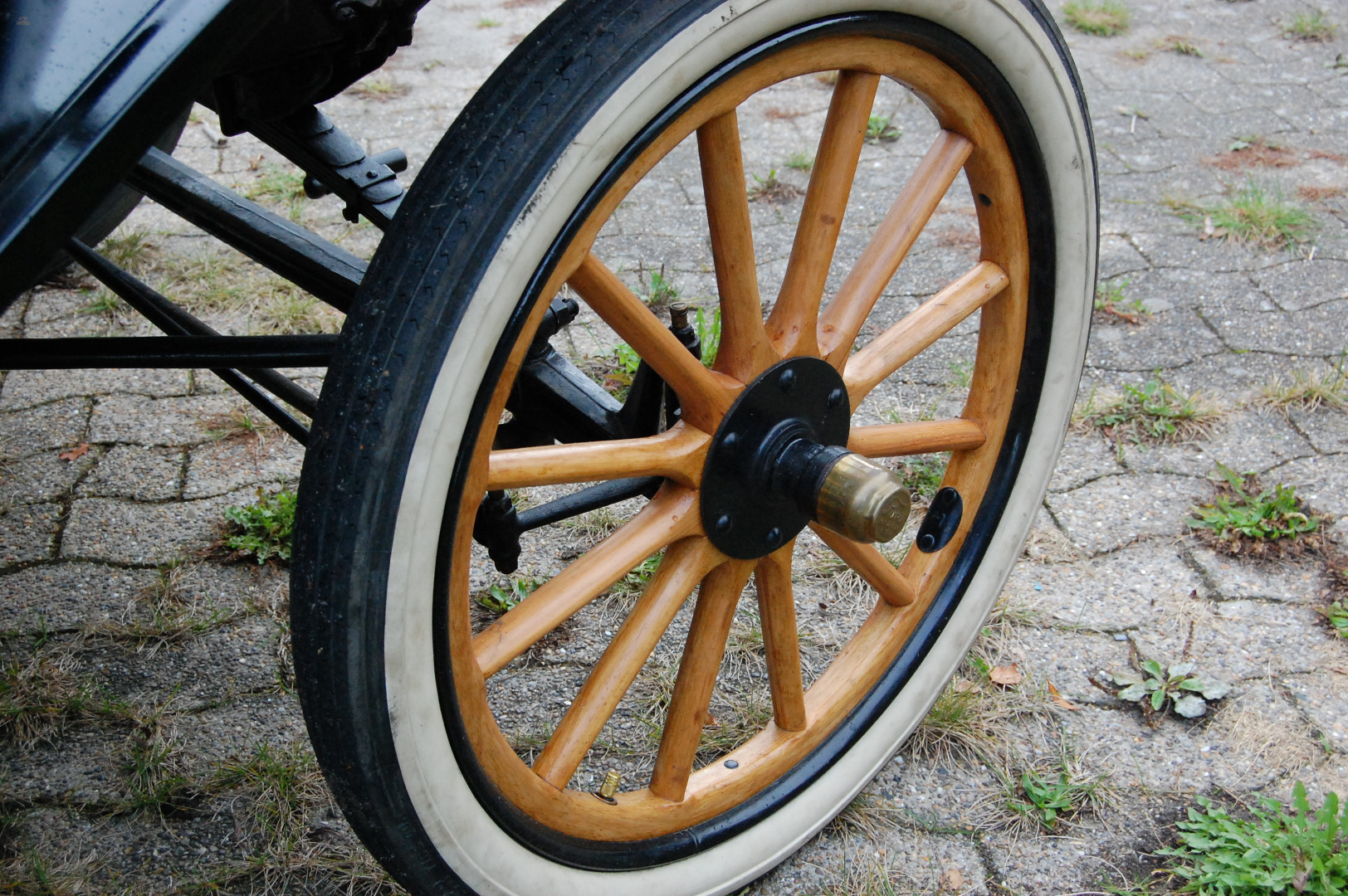
The wooden spokes look quite new; I think they were recently replaced, as well as the tires.
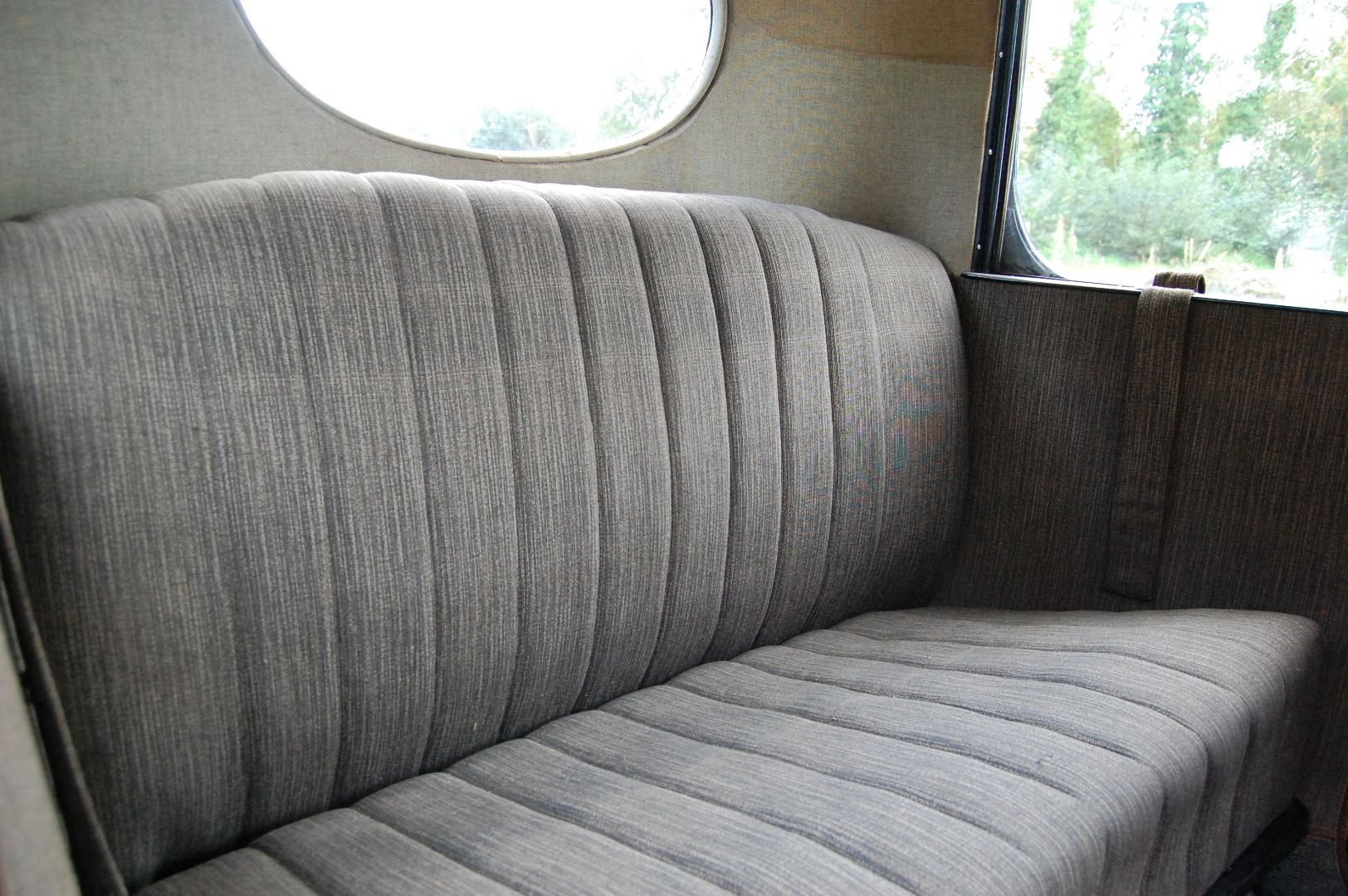
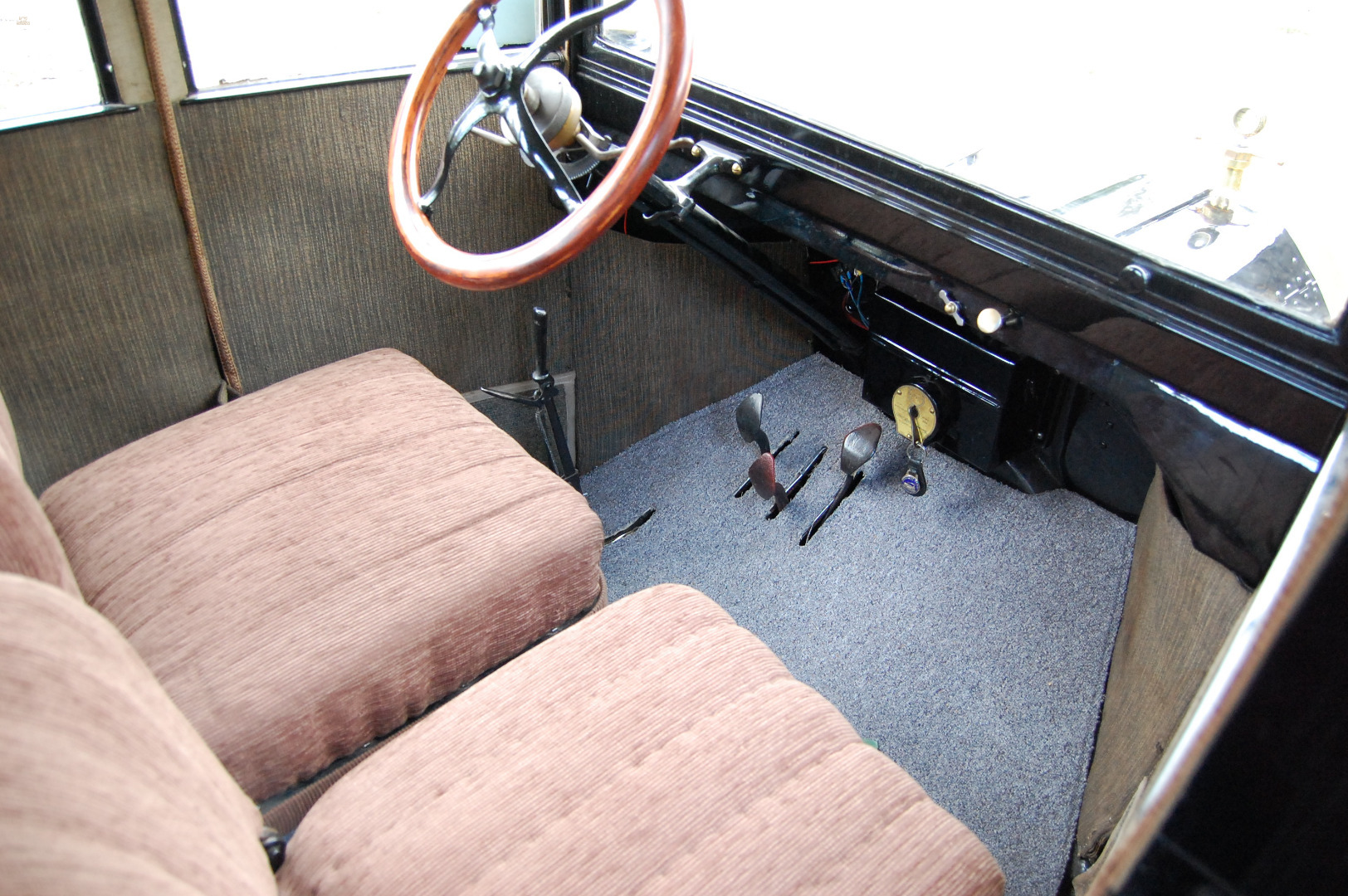
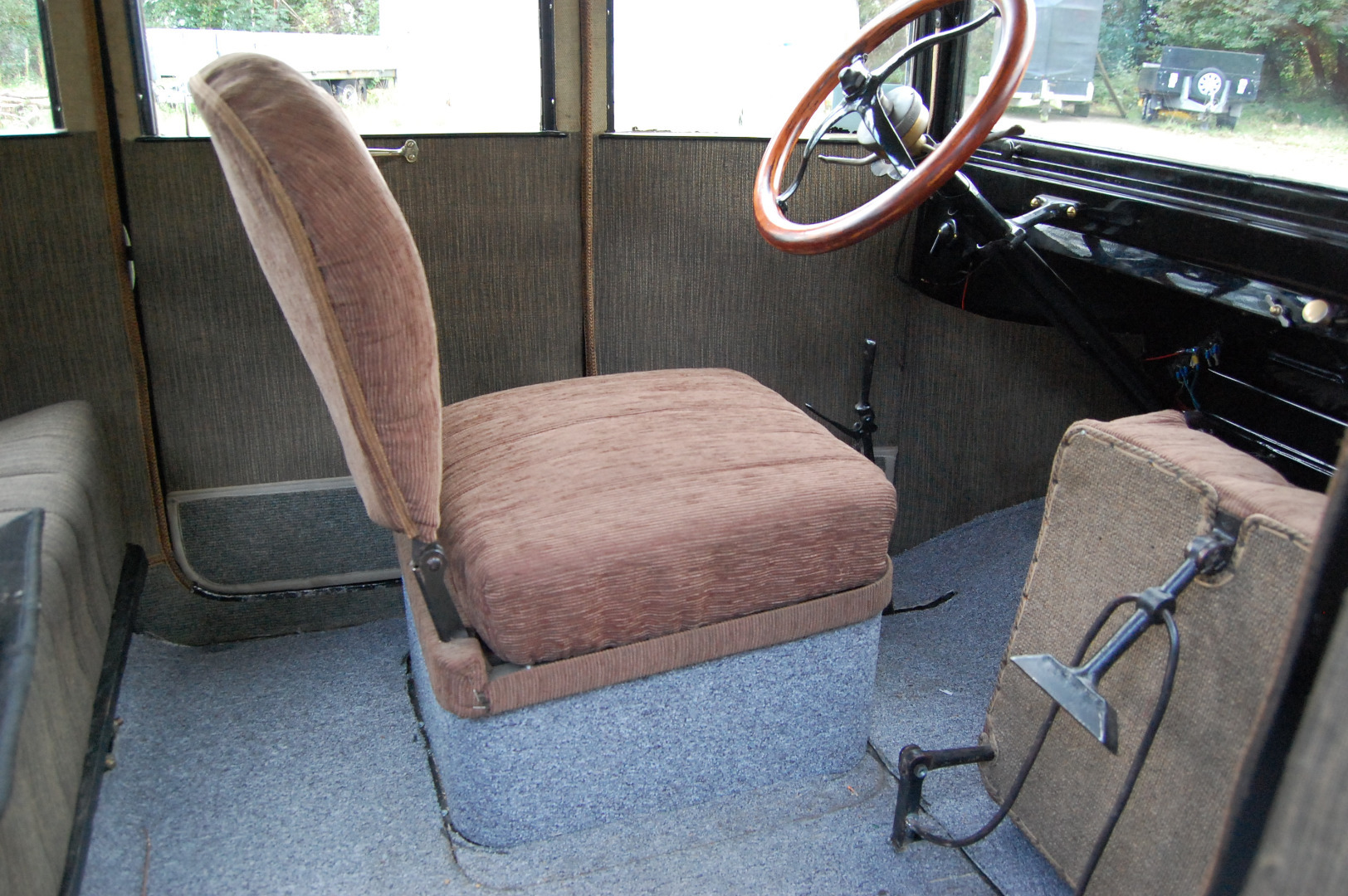
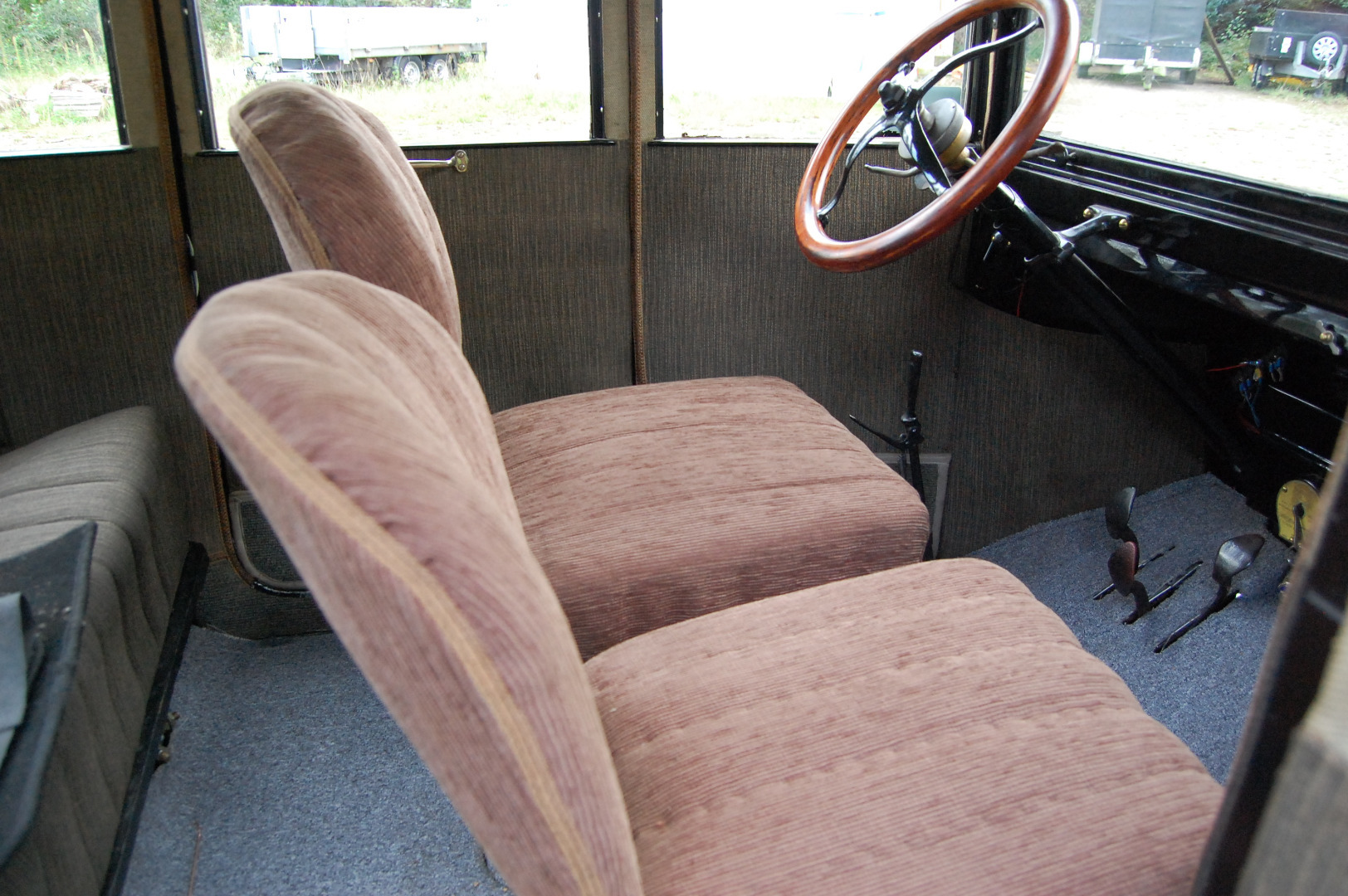
The interior is well preserved or partially renewed. The
front seats could be better matched to the rest of the fabric; perhaps
the fabrics are still or again available.
What’s also nice about the vehicle are the antique windows. Back then, Ford didn’t have windows that could be cranked; they were simply placed in the frame at the back and lowered with a band. On the
to door and front, there are small hooks for the window to fix it in various
positions.
Also beautiful is the oval rear window and the interesting roof shape.
Based on the description, you can suspect that the car was not yet registered on German roads and requires a full inspection and H-approval.
Conclusion: a very rare model of a Model T with some manageable remaining work, but for which you will get a genuine rarity.
First contact with questions is gladly via email, as I am often on the move. A response will be given promptly and comprehensively.