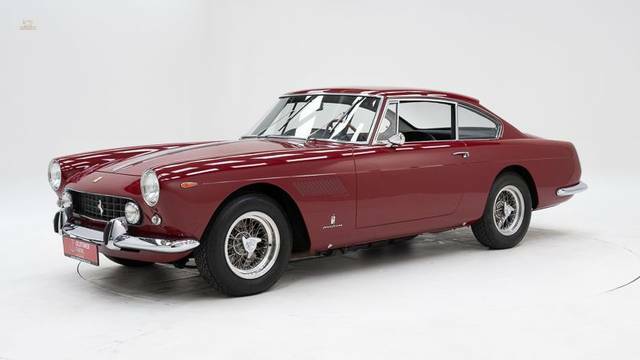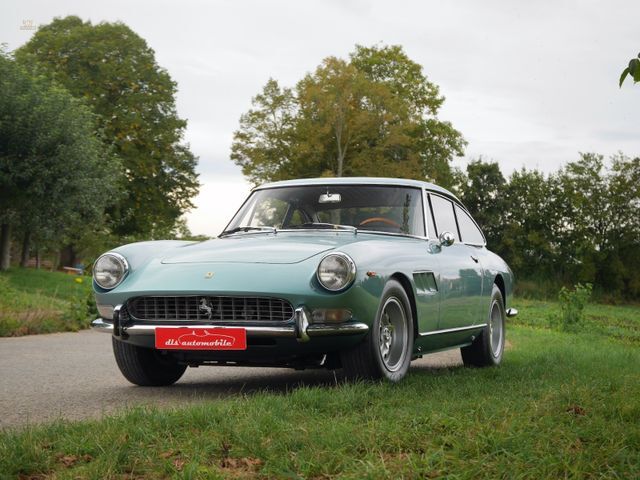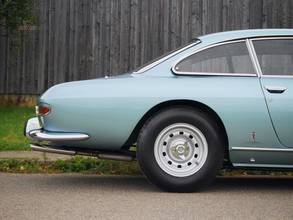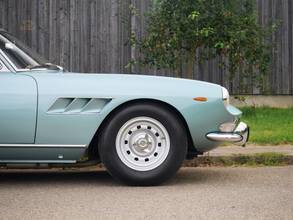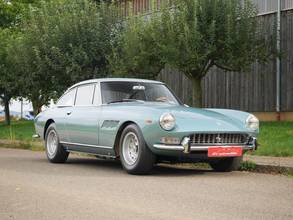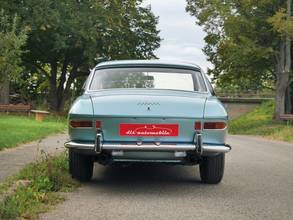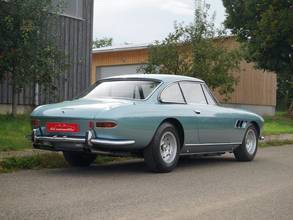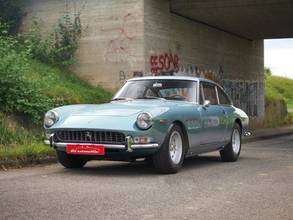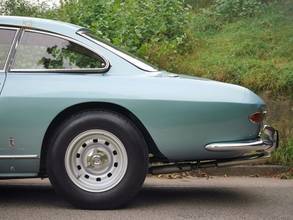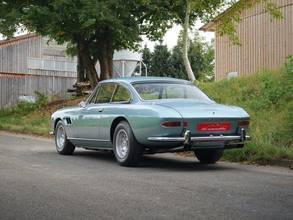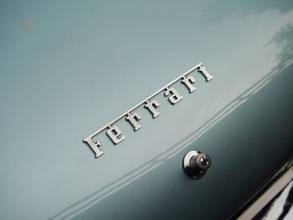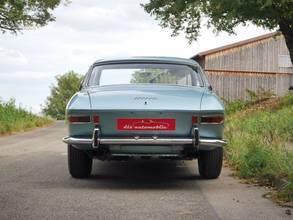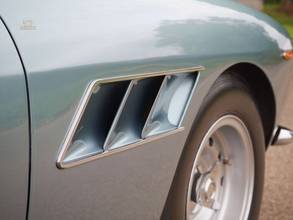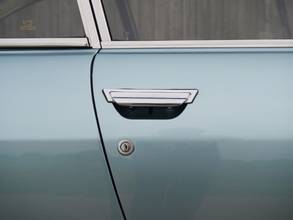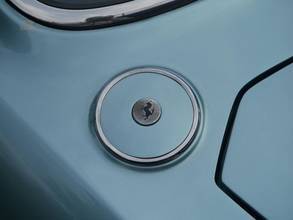
Anyone who believes that Italian beauties are mainly reserved for opera houses, runways, or film festivals has probably never seen a Ferrari 330 GT 2+2 Series II standing in the full sunlight.
A sight that even turns sober natures into sighing poets. Our offered 330 GT was delivered new in Italy in 1967—a year when it was still widely believed that espresso was a natural human right and a V12 engine a gift from God.
The second owner was none other than the president of the Italian Automobile Club ACI. Someone who professionally knew how to drive a car properly—and privately clearly knew how to choose a superb car. He later exported the fine coupe to Luxembourg, where he kept it until his death in 1987.
After that, the Ferrari did what Italian divas love to do when left unattended for a long time: it slept. Completely dry and shy in a locked underground garage. Between 1987 and 2010, the V12 rested there—then finally in 2010, the glorious awakening! A collector with heart and discernment discovered the sleeping Gran Turismo, purchased it from the widow, and then had it restored comprehensively.
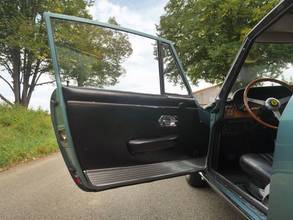
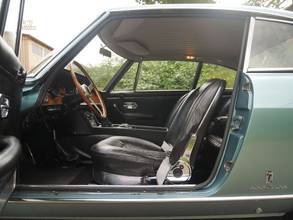
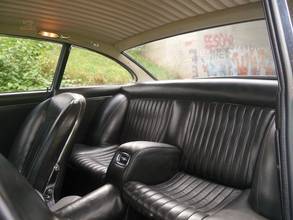
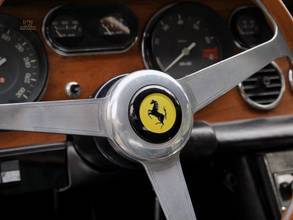
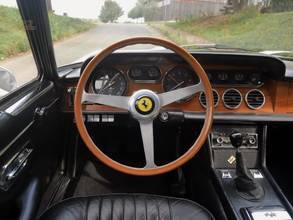
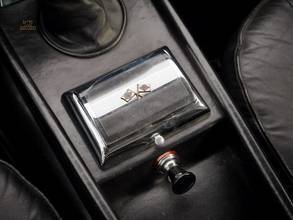
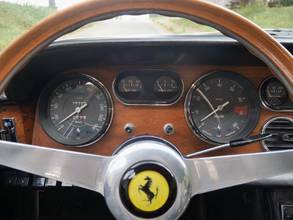
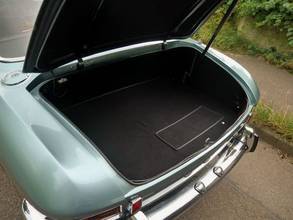
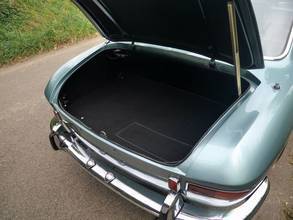
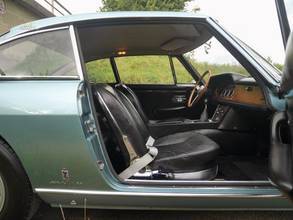
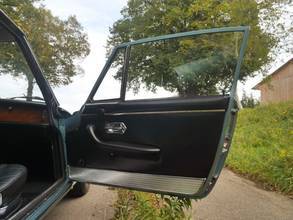
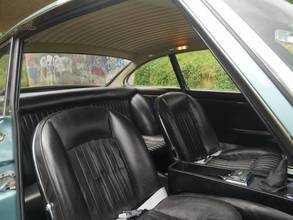
We are not talking about cosmetic makeup but a complete overhaul: engine, transmission, axles, brakes—all professionally renewed. The body was rebuilt from the bare shell. As if by a miracle—or simply thanks to Italian craftsmanship and a well-insulated garage—the entire interior was in such pristine condition that it could be left untouched. Seats, carpets, dashboard, headliner: all original, all with the charming patina of a 60-year-old beauty who never had to go out in the rain.
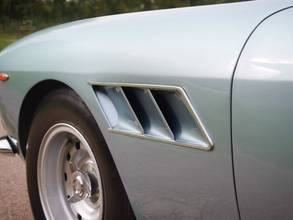
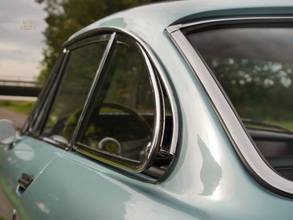
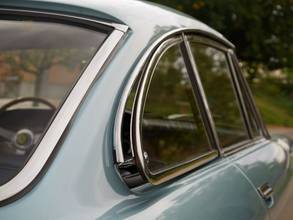
This combination of restored technology, flawlessly renewed exterior, and an interior that looks as if it has just been handed over by a particularly caring first owner makes this 330 GT a vehicle of probably unique charisma. All work from 2010 to 2013 is carefully documented, in the form of invoices and a photo series that would make even the most meticulous classic car enthusiasts nod in approval. Since the restoration was completed, the Ferrari has traveled about 13,000 kilometers—always under the best conditions: warm, dry, respectful.
Given the limited production numbers of Series II, its clean history since first registration, and its demonstrably loving care, this example is a top-tier piece for any serious collection—and a recommendation for anyone who believes they have seen everything.
Regarding model history—because with Ferrari, knowledge is half the pleasure.
The 330 America was replaced in early 1964 by the 330 GT, which was not content to be a mere evolution of the 250. Instead, it received a more distinctive front and rear design, four headlights (Italian understatement has never been a core competence), a wider radiator grille, KONI shock absorbers, and a 50 mm longer wheelbase. The 330 GT was designed by Tom Tjaarda for Pininfarina—a name that in automotive design is roughly as significant as Verdi in opera.
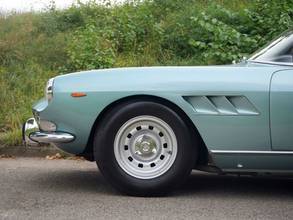
In 1965, the Series II was introduced: aluminum wheels, a full five-speed gearbox instead of the four-speed with overdrive, and a return to two headlights—probably because the designers realized that perfection does not require additional lighting. Air conditioning and power steering were optional, but the 330 horsepower from the 3,967 cc V12 engine was standard. Top speed of 240 km/h—at a time when German autobahns were still dominated by Beetles, Kadetts, and car radios.
Market forecasts for this model have been on a very good course for years. Among connoisseurs, the 330 GT Series II is still considered a secret tip—a state that, experience shows, eventually ends once too many people know about the secret. But given the Ferrari brand, the rarity of the model, and the quality of this particular vehicle, the direction seems clear: upward. We cordially invite serious interested parties to view this Ferrari and its three full folders of documents with us. Please schedule an appointment beforehand—a car of this class demands leisure, time, and a suitable pulse.
With our best regards
Your dls-team