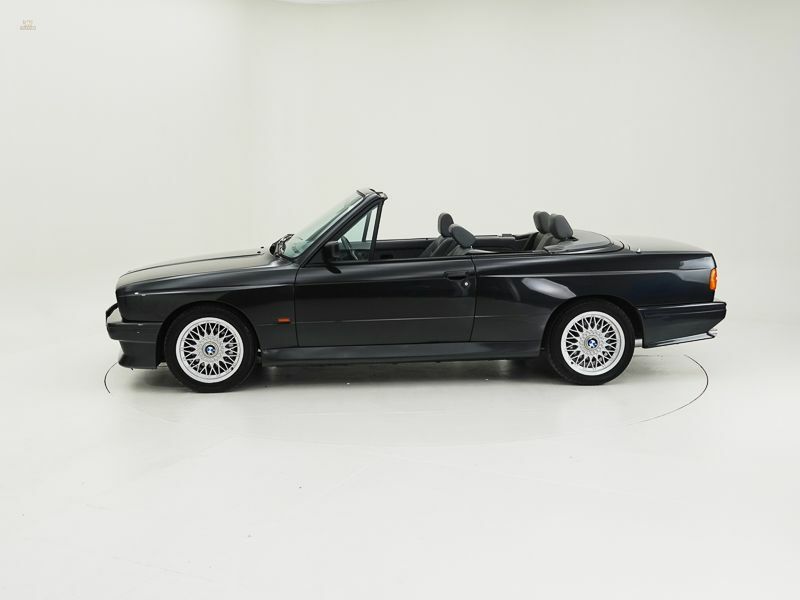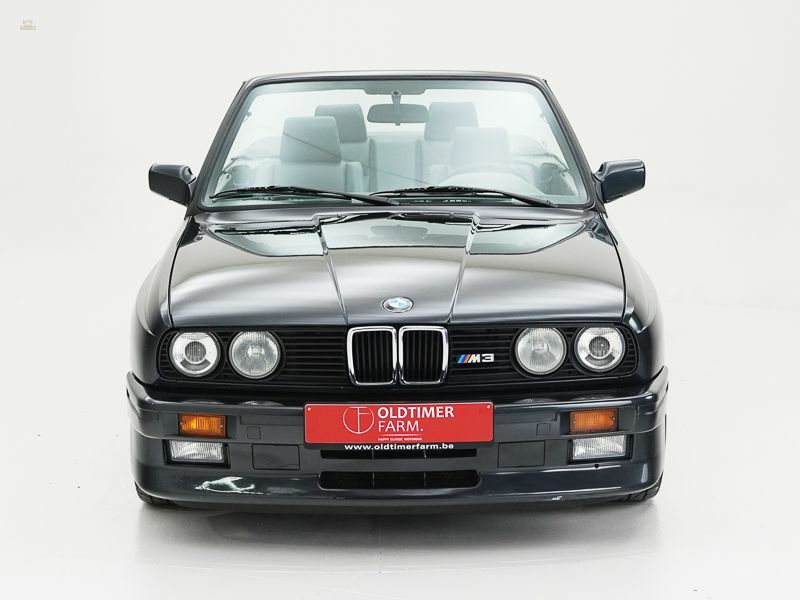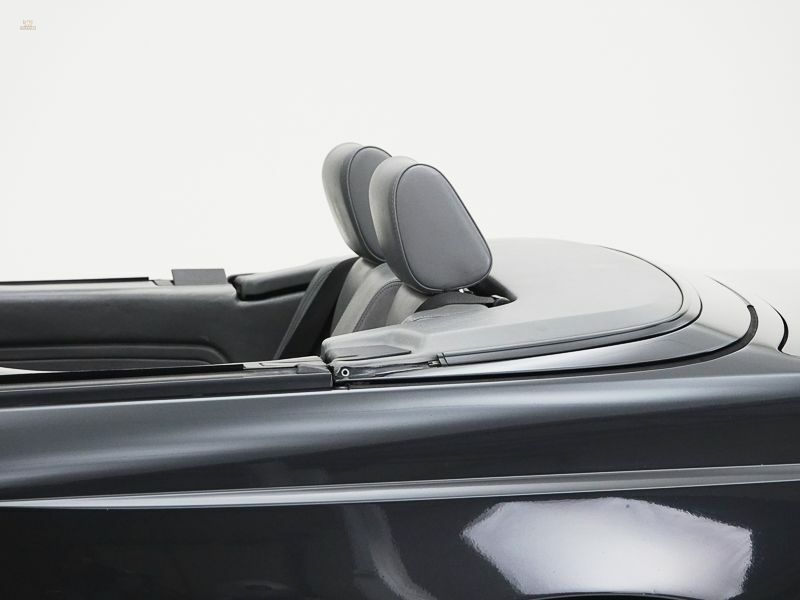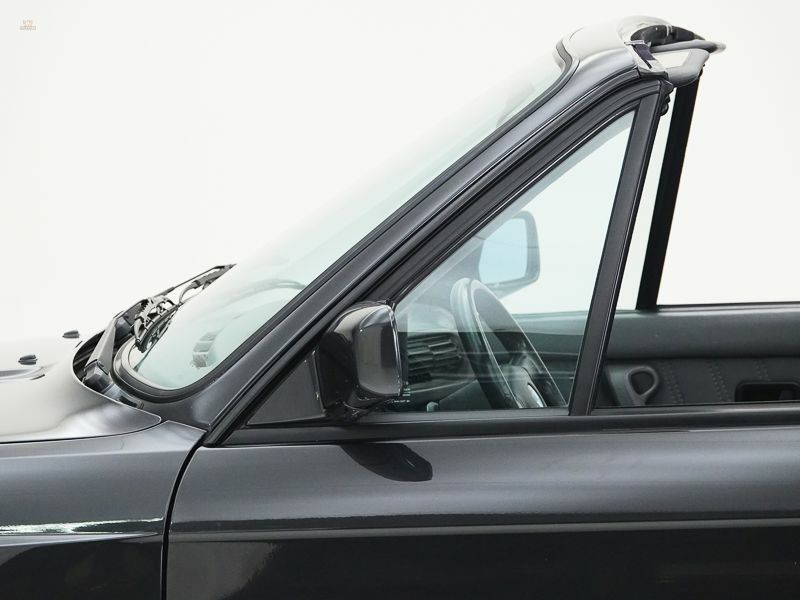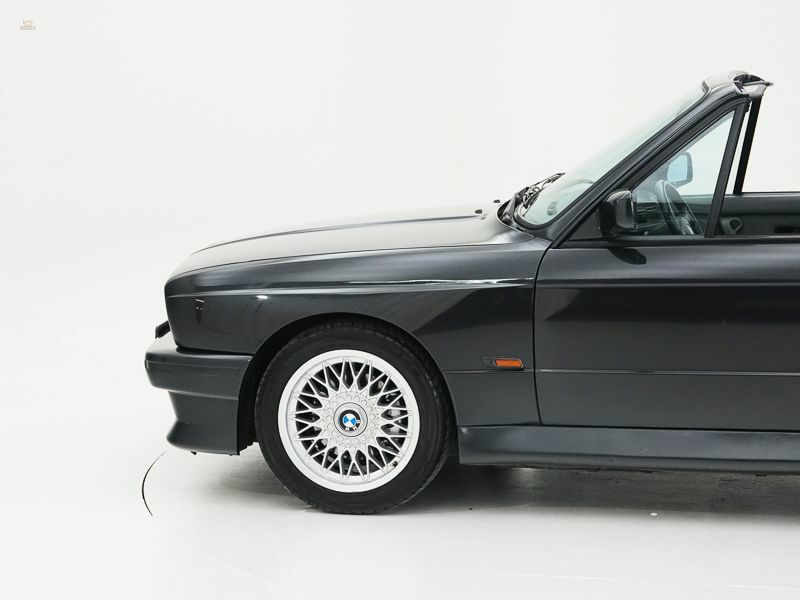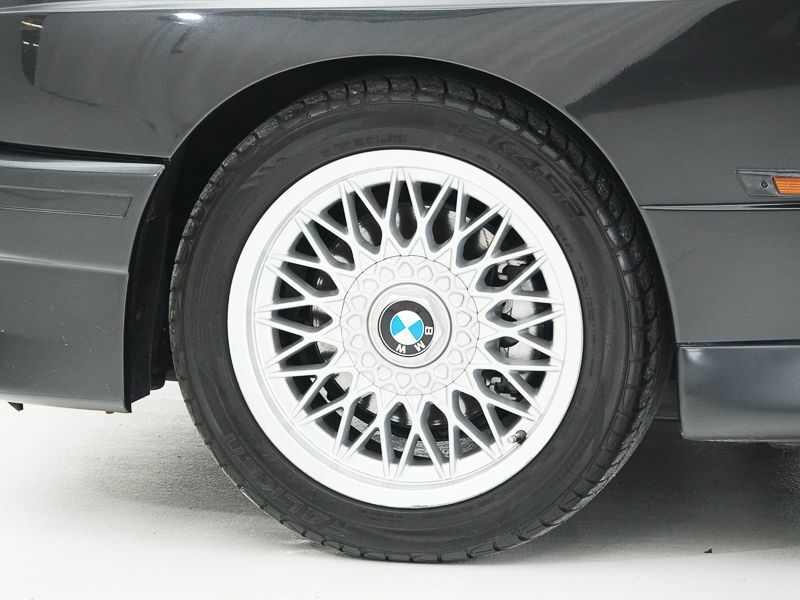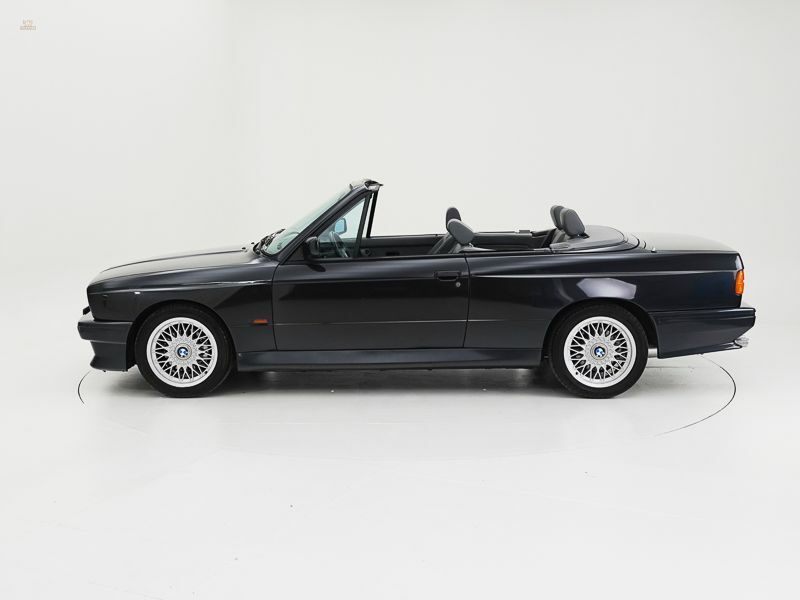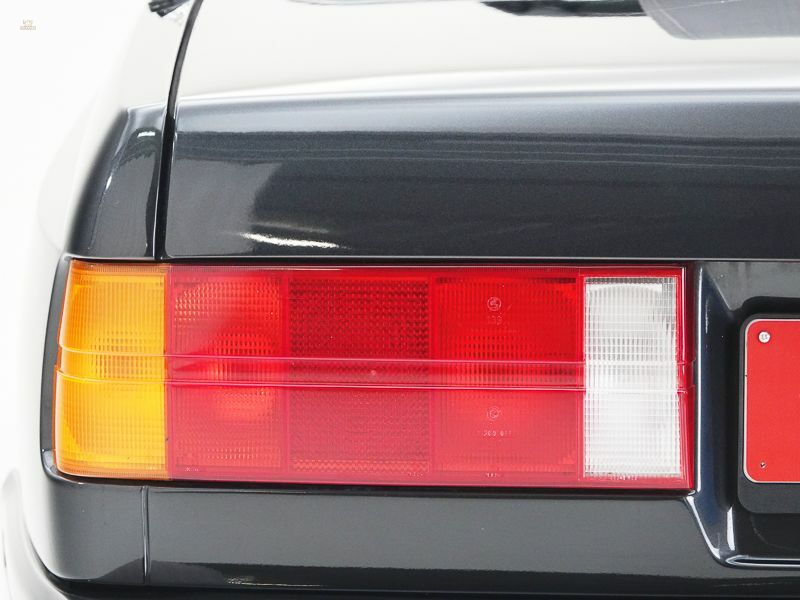
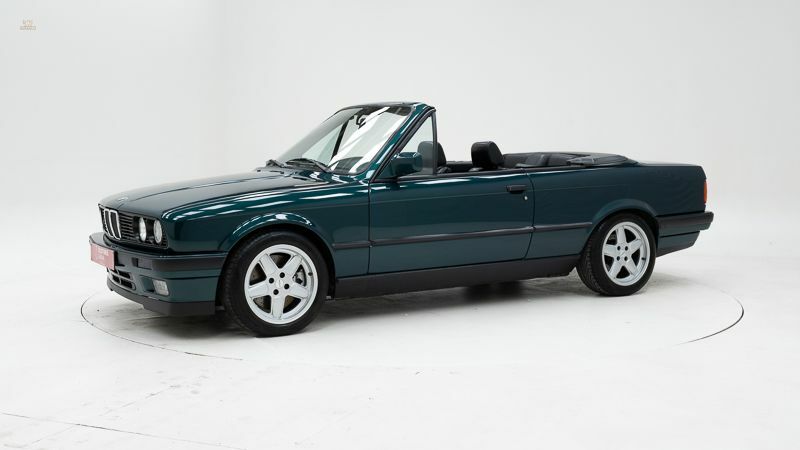
| Karosserieform | Cabrio |
| Kilometerstand | 139.677 km |
| Getriebe | Schalter |
| Hubraum | 2302 cm³ |
| Erstzulassung | 1991 |
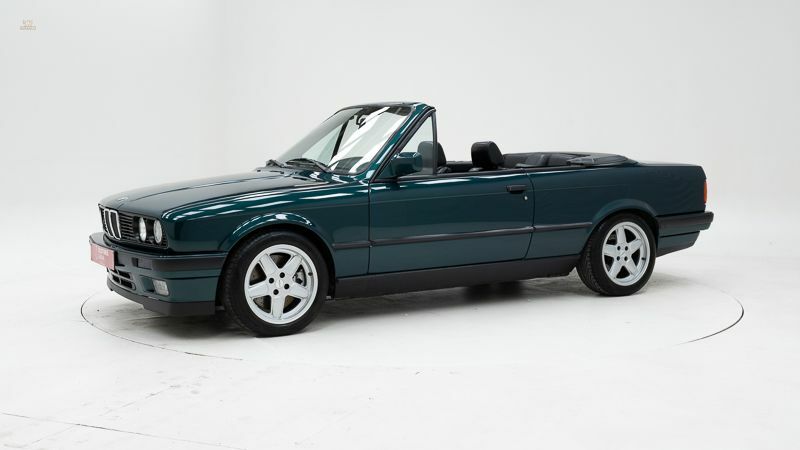
The BMW E30 was produced from 1982 to 1994 and represented the well-known 3-series of BMW during its production run. Its angular and sporty design characterized BMW's designing style. With the arrival of the E36 as its successor BMW shifted to rounder shapes. The E30 is the last 3-series that offered the iconic BMW design that is adored by enthusiasts.
While its predecessor, the E21, offered a range of variants with different engines in two body styles, the E30 even took it a step further. BMW's goal with this mid-range car was clear. They wanted to create a culture of variety by offering a wide range of engines and configurations, producing cars that satisfy everyone’s needs, and they succeeded, as a variety of engines, transmissions, and four body styles were introduced. From a 1.6-litre straight-four to a 2.7-litre straight-six engine with a 3-speed automatic transmission to a manual five-speed. The E30 lineup included a sporty coach, a sedan, a practical wagon, a convertible, and a true track beast that was designed with a little help from BMW M, who were no strangers to high-performance cars. In 1985, the E30 series expanded, introducing a more powerful diesel car and a convertible. In 1987, the wagon version was added, more powerful engines were made, rust protection quality significantly improved, and mechanical efficiency was enhanced.
More than two million E30’s were sold. From fall 1990, the E30 was succeeded by the E36, although some E30 variant were still produced in parallel until 1994.
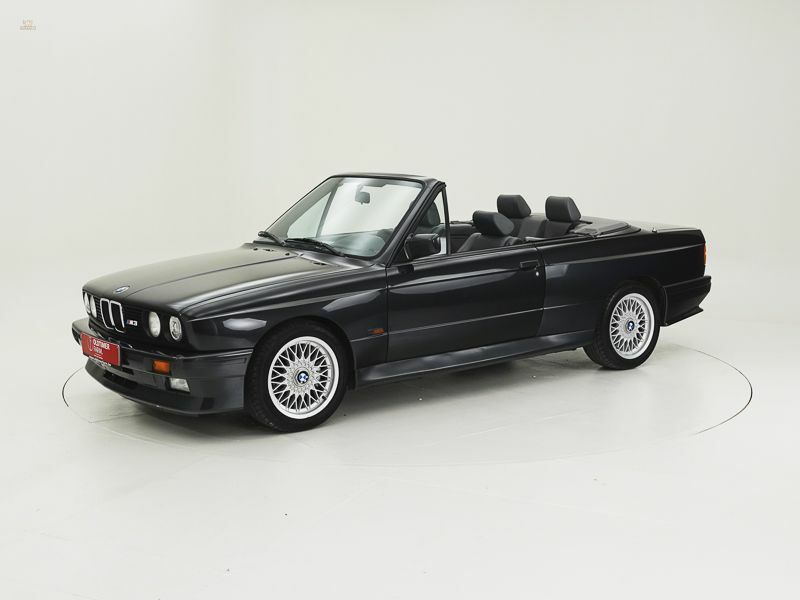
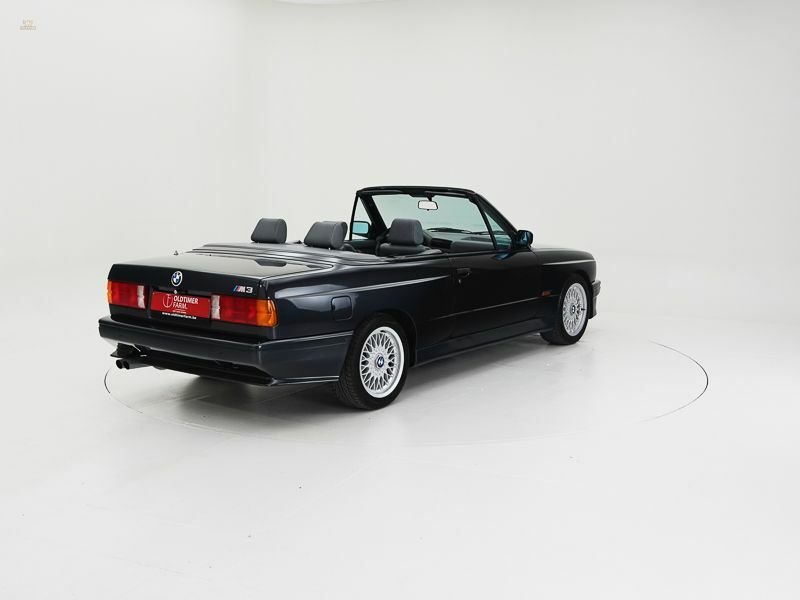
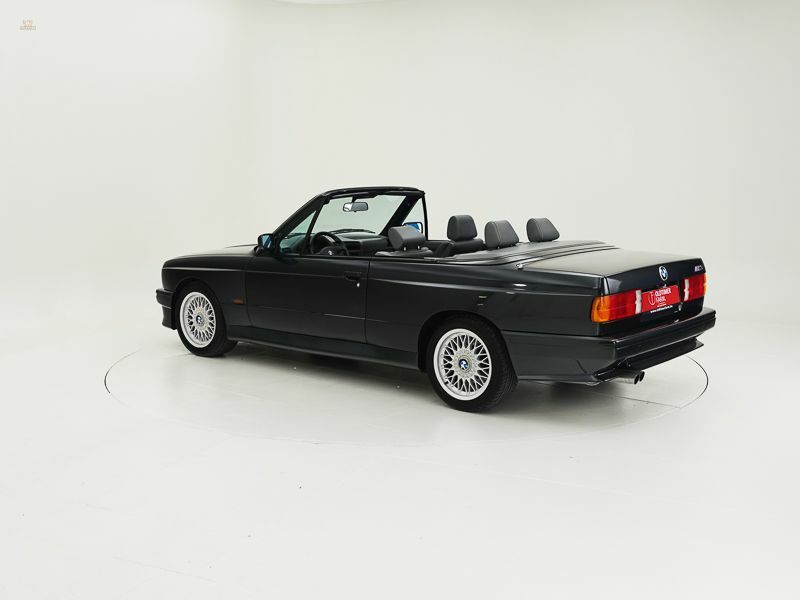
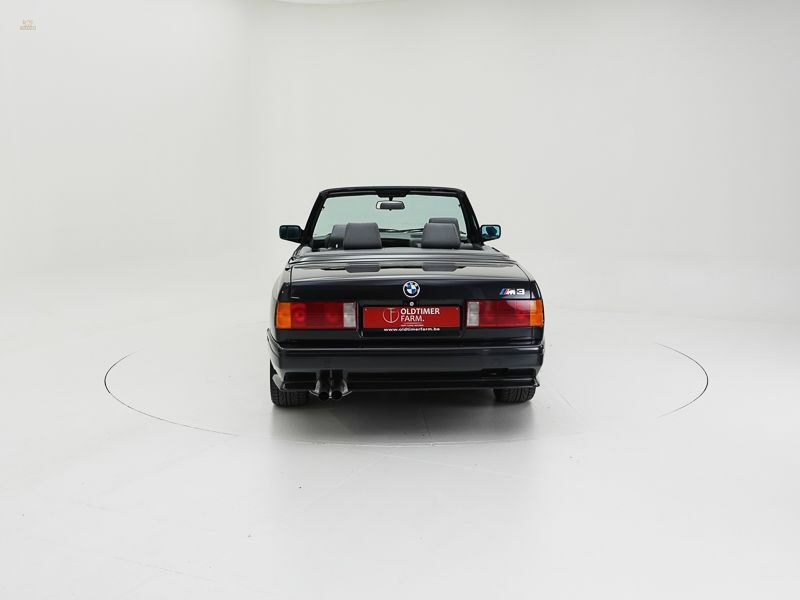
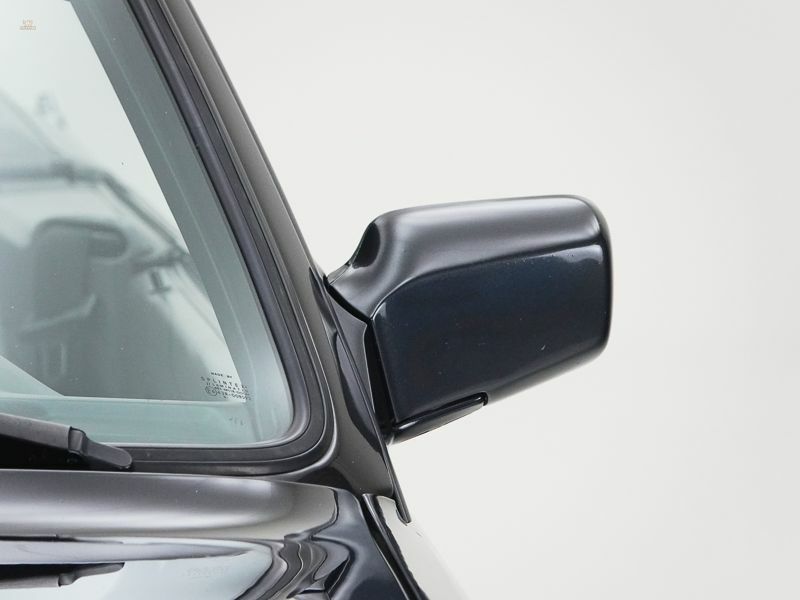
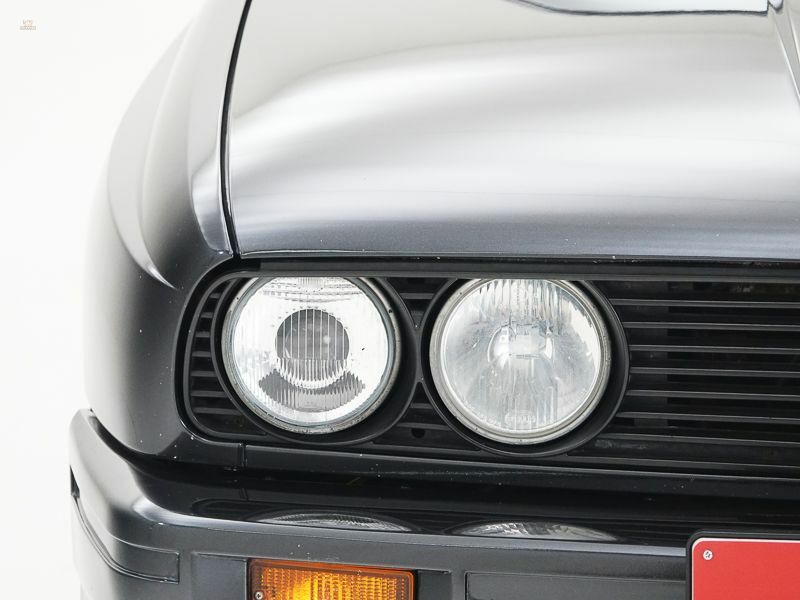
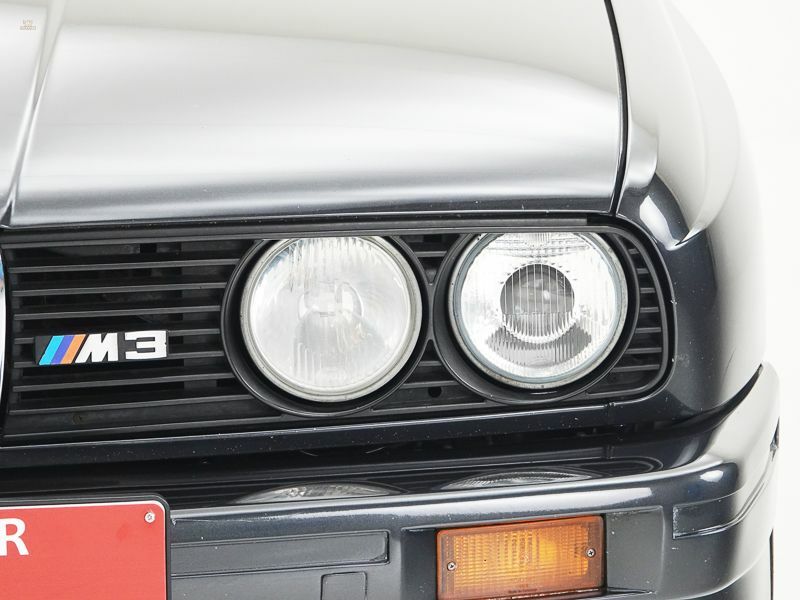
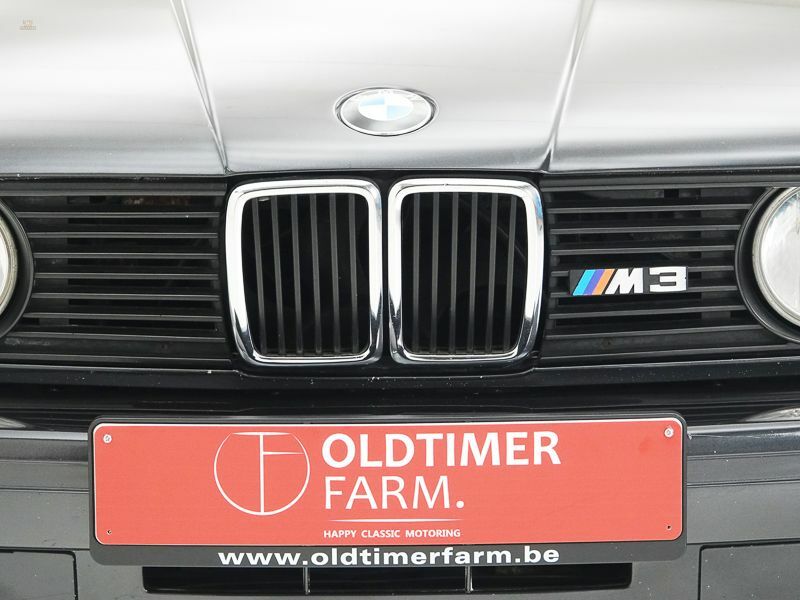
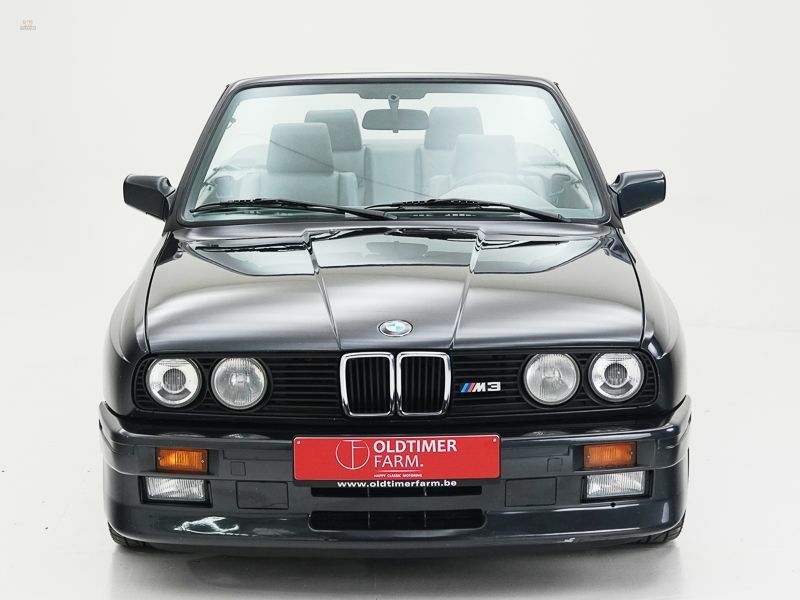
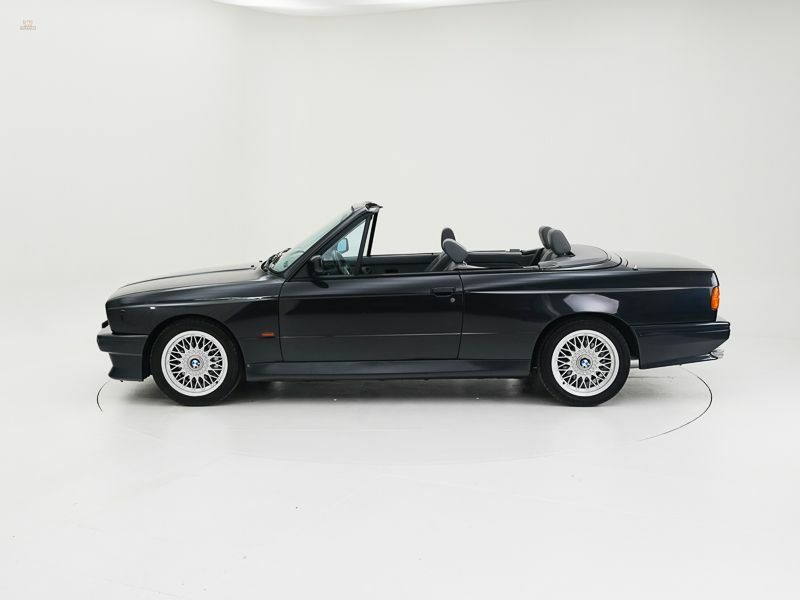
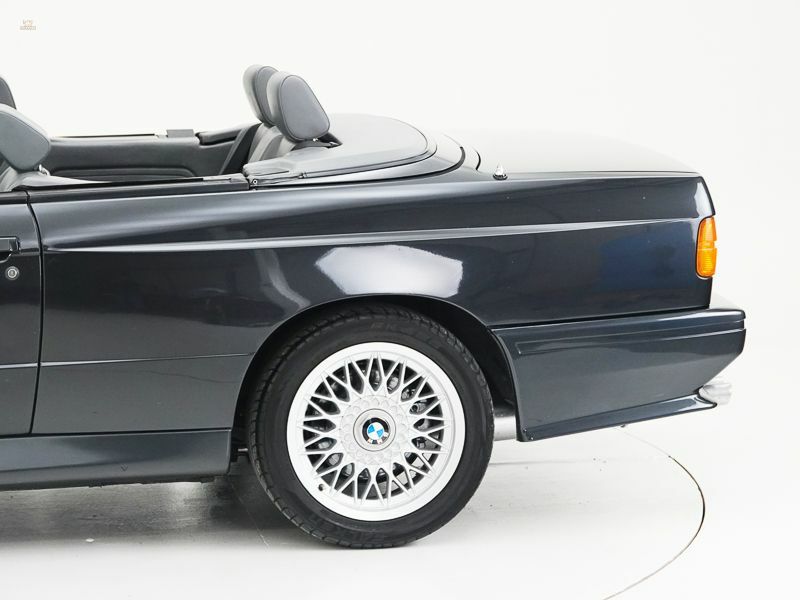
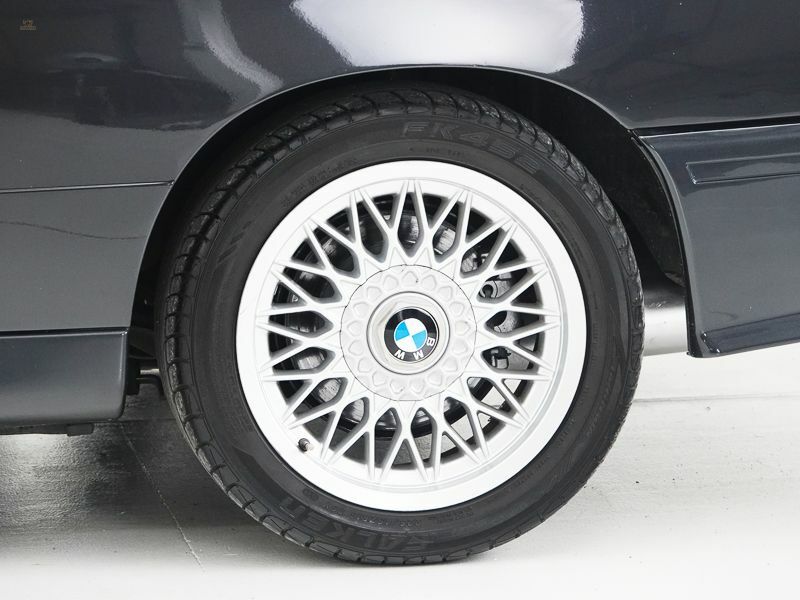
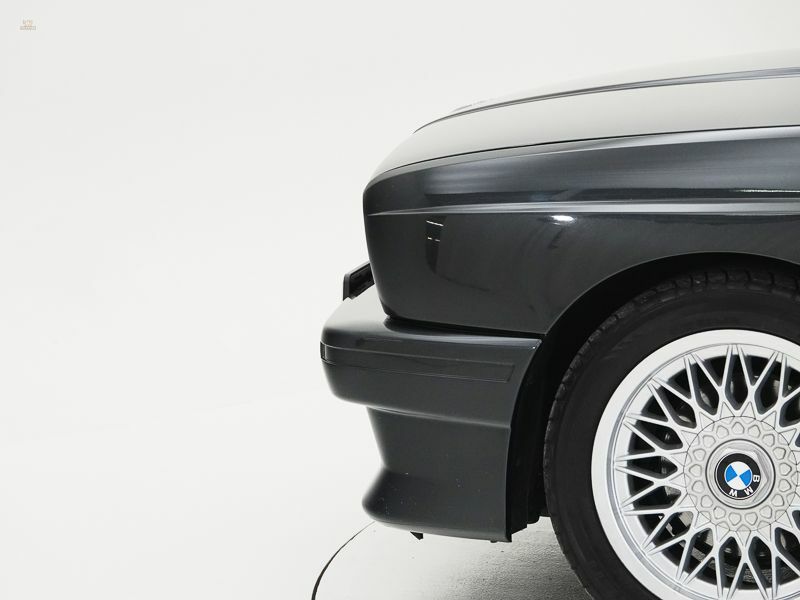
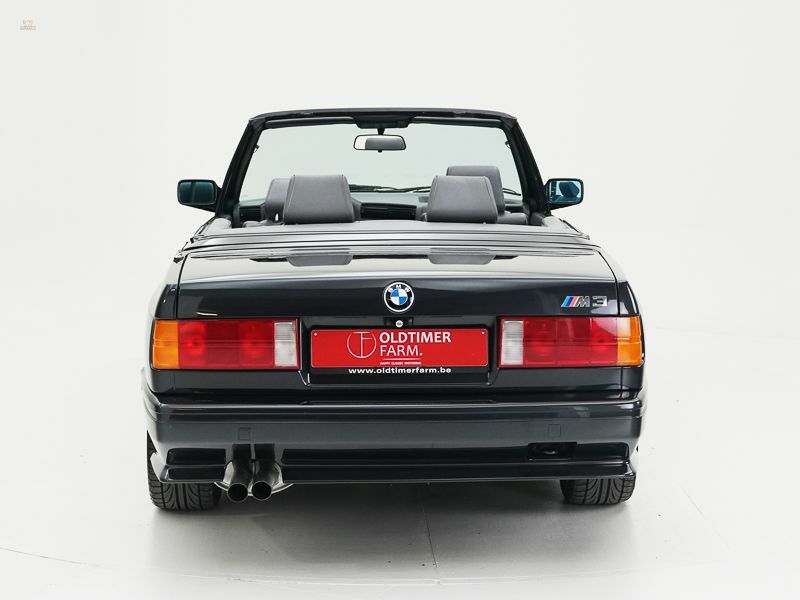
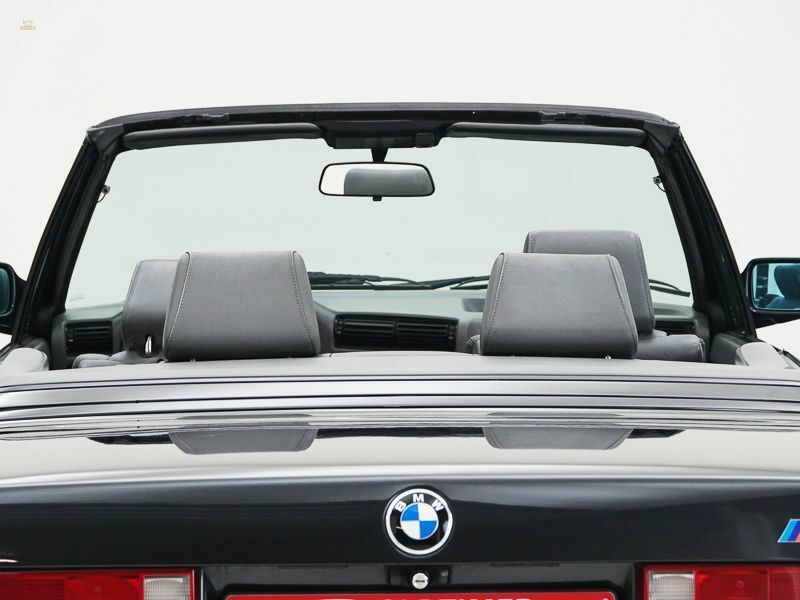
BMW E30 M3
The sporty design of the E30 did not pass BMW M(otorsport) unnoticed. In 1986, they enhanced the E30 series with a generous dose of sportiness, and surprisingly, that dose was produced by a four-cylinder engine, and no six-cylinder, as that would have negatively affected the M3's handling. The used straight-four was based on the six-cylinder from the E28 M5. A 2302 cc engine, producing 200 horsepower, was designed to power the E30 M3.
In 1985, at the Frankfurt Auto Show, jaws dropped as BMW M unveiled their E30 M3. It was crafted by blending elements from both the DTM racing cars they had been producing and the regular E30 BMW series, although it drastically differed from the standard E30. It was noticeably wider, larger, and sportier. Behind the wheel of the M3, its true track-ready nature becomes evident as it offers immense grip, it is highly responsive, and it feels very solid on its wide tires.
Over the years, the power gradually increased. In 1990, the engine displacement grew to 2.5 litres, and the power output rose to 238 horsepower. In 1991, production was discontinued. The E30 M3 had been available as a sedan, coupe, and convertible, the convertible remains the rarest as only 786 of a total of 18,000 M3’s ever produced were convertibles.
Technical information:
Body work
Mechanics
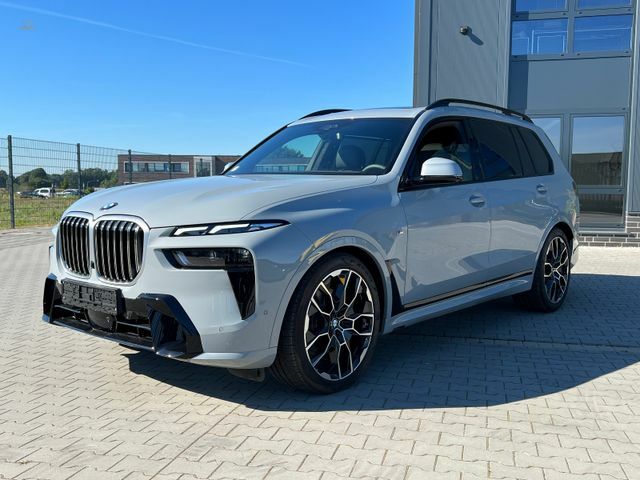
120.190,00 €
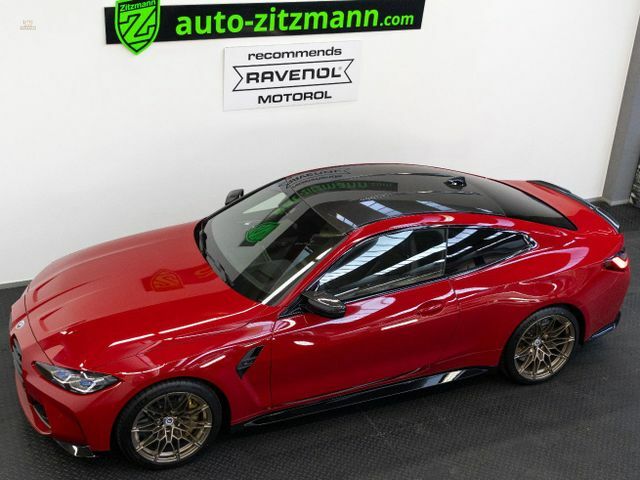
117.770,00 €
124.770,00 €
132.209,00 €
133.880,00 €
134.470,00 €
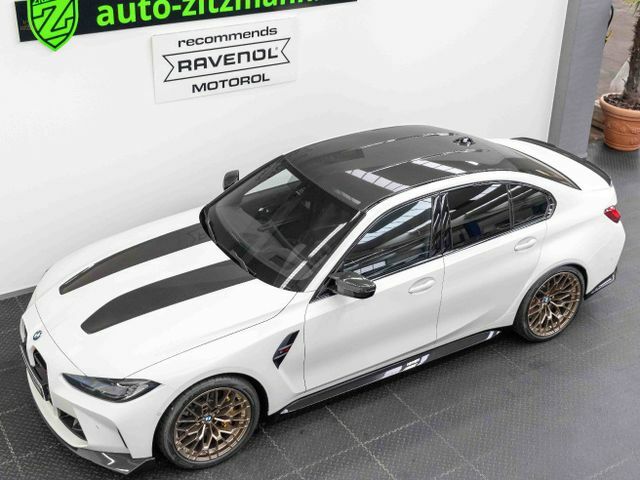
134.770,00 €
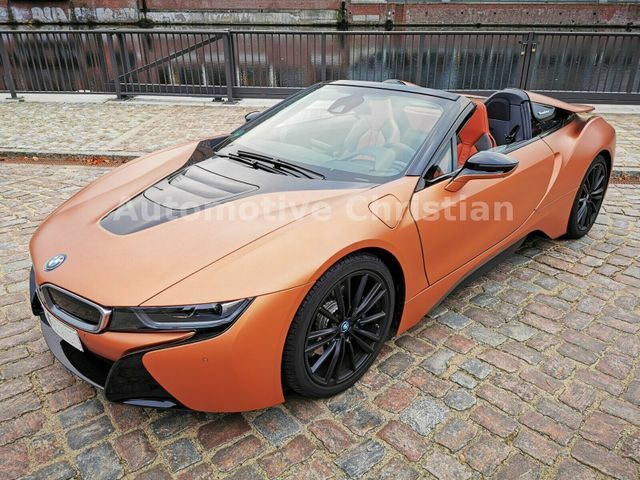
134.999,00 €
104.500,00 €
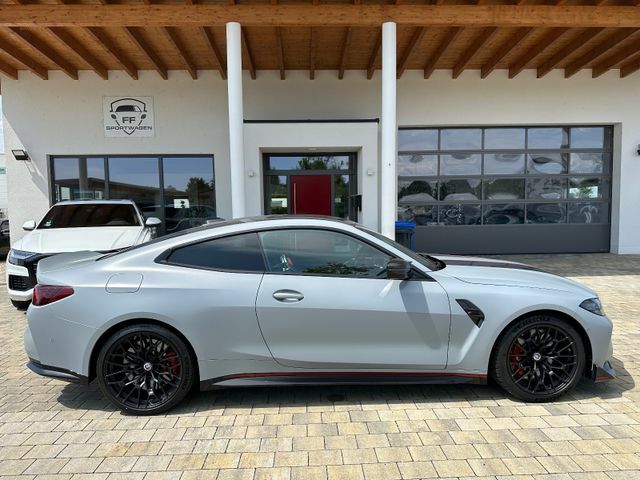
136.880,00 €
138.040,00 €
99.900,00 €
147.560,00 €
89.990,00 €
150.000,00 €
87.890,00 €
86.941,00 €
155.000,00 €
18.950,00 €
89.950,00 €
20.950,00 €
25.950,00 €
12.500,00 €
34.950,00 €
46.950,00 €
39.950,00 €
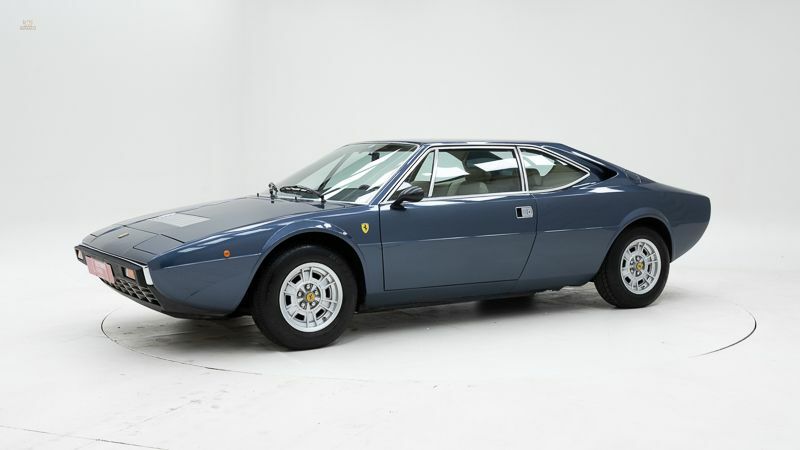
65.000,00 €
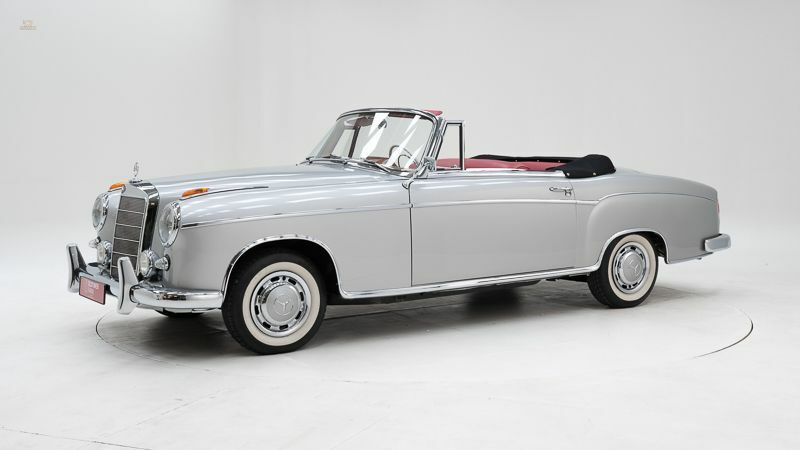
99.950,00 €
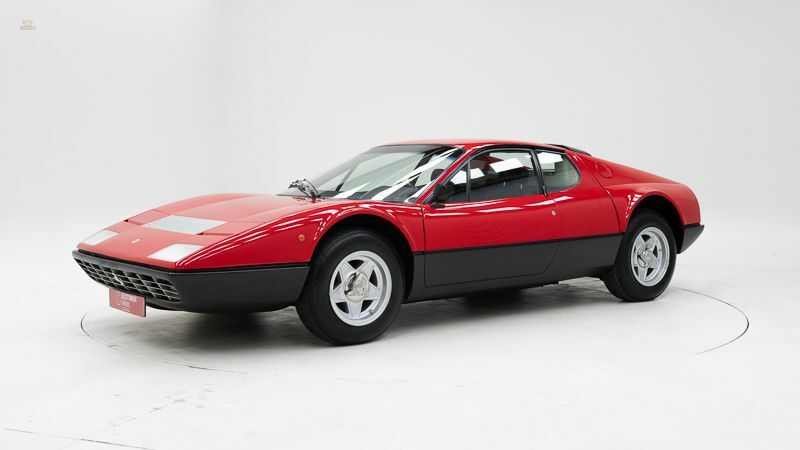
345.000,00 €
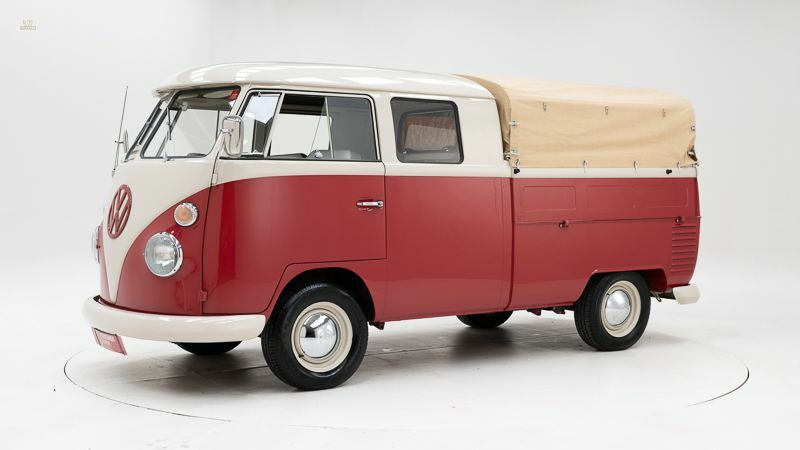
65.950,00 €
99.950,00 €
65.950,00 €
18.950,00 €
299.950,00 €
445.000,00 €
52.950,00 €
35.950,00 €
99.950,00 €
8.500,00 €
12.950,00 €